





Taylor Sheridan Net Worth
 Jillian Hunt
December 3, 2025 3:11 am
.
15 min read
Jillian Hunt
December 3, 2025 3:11 am
.
15 min read

He rose from acting to become a creative force in modern Westerns. Starting with TV roles in the 1990s and 2000s, he shifted to writing and directing. Breakout scripts like Sicario, Hell or High Water, and Wind River changed his profile and earning power.
The “Sheridanverse” — led by Yellowstone and several spinoffs — now drives major influence and income in cable and streaming entertainment. Reported estimates for his net worth vary widely because some tallies include ranch assets and long-term deal values while others count only realized income.
This profile will map the journey: early acting, breakthrough films, franchise creation, big studio pacts, and ranch investments like the Four Sixes purchase. It will also explain how per-episode fees, backend points, residuals, and production profits compound over time.
Readers will get a clear, big-picture roadmap to understand the money behind the modern Western’s leading architect and his lasting impact on storytelling and the industry.
At a Glance: Taylor Sheridan Net Worth in the Present Day
Estimates of his present-day holdings vary widely, reflecting different choices about what counts as realized value.
Range seen in media: Most outlets list roughly $70–$100 million, while some headlines cite $200 million. Differences come down to whether analysts include ranch assets, multi-year contract values, and long-tail payouts.
Primary drivers: Creator fees from multiple television series, studio overall deals, backend points and residuals, and production company profits. Reported per-episode rates can reach into the high six or seven figures, producing multi-million seasonal paydays.
- Large reported deals (Paramount extension; a later NBCUniversal pact reported as phase-based and massive)
- Ranch and real estate holdings that earn income when used as production sites and appreciate over time
- Franchise scale from Yellowstone and spinoffs that boosts future earnings
Snapshot: The financial picture mixes realized cash with paper value from multi-year deals. It marks a clear shift from lower acting-era pay to creator-level economics that combine entertainment revenue and land-based assets.
Early Life and Roots in Cranfills Gap That Shaped His Fortune
He learned the rhythms of ranch life early, and those lessons later shaped every story he told.
Born May 21, 1970, in Cranfills Gap, he spent his childhood on a family ranch where daily chores taught practical skills and a strong work ethic.
After a brief stint at Texas State University, he left school and moved to Austin. There he took odd jobs — painting houses and mowing lawns — to pay the bills while he explored creative paths.

Those years grounded his voice. Ranch labor, rural values, and hands-on problem solving show up as recurring themes in his scripts and productions.
- Authentic ranch experience gave his Westerns lived-in detail.
- Early work in Austin built self-reliance that later influenced production decisions.
- Real-world grit helped him win trust from actors and crews seeking frontier realism.
In short, the combination of place and practice became both an artistic signature and a marketable asset. He monetized what he knew, turning roots in land and labor into the seedbed for the larger creative empire that followed.
From ranch life to Texas State University and odd jobs
The role of those formative years is clear: they shaped themes of land, labor, and survival that pay dividends creatively and financially.
From Actor to Auteur: The Career Shift That Built His Wealth
Shifting focus from acting to writing in his forties set the stage for creative control and bigger paydays.
His first TV break arrived on Walker, Texas Ranger, which opened steady work and guest spots through the 2000s. Those early gigs kept him visible while he learned the mechanics of on-set storytelling.

Key acting roles that mattered
He booked a recurring part as Danny Boyd on Veronica Mars, gaining experience in serialized drama. That role helped him navigate complex scripts and timing.
In 2008 he landed a major cable run on Sons Anarchy, playing Deputy Chief David Hale. The portrayal of chief david hale deepened his instinct for character beats and sharp dialogue.
The turning point at 40
Creative frustration as an actor pushed him toward full-time writing. Around age 40 he embraced authorship, trading episodic fees for ownership and backend upside.
- Early TV time on Texas Ranger shows led to recurring opportunities.
- Acting on Sons Anarchy honed character sense used in later scripts.
- Moving behind the keyboard unlocked creator-level compensation and control.
That pivot is the defining inflection point: it turned years of on-camera craft into a platform for ownership, backend points, and multi-series control. The next section shows how his screenplays validated that leap.
Screenwriting Breakthroughs: Sicario to Best Original Screenplay Nod
A compact run of gritty films established him as a voice studios wanted to back.

Also Read:
Sicario: taut realism and a powerhouse cast
Sicario announced his brand of moral ambiguity and tight suspense. The film was directed denis villeneuve and featured Benicio Del Toro alongside Emily Blunt and Josh Brolin.
The script earned a WGA nomination and drew industry attention for its gritty borderland thriller tone.
Hell or High Water: Oscar momentum
Hell or High Water landed four academy award nominations, including Best Original Screenplay for the writer.
That nomination proved staying power and turned critical praise into negotiating leverage for bigger projects.
Wind River: authorial control
With Wind River he wrote and directed a haunting crime thriller starring Jeremy Renner and Elizabeth Olsen.
The film fused social awareness with frontier stakes and showed he could lead production and deliver box-office and streaming value.
- Recurring elements: crime, thriller stakes, borderlands, overlooked communities.
- Accolades and nomination traction increased screenwriting fees and backend leverage.
- These films made him bankable for major studio partnerships and paved the way for TV franchises like Yellowstone; see a related look at studio deals studio partnerships.
Television Empire: Paramount Network Hits and the “Sheridanverse”
One hit drama expanded into a multi-show portfolio that changed how cable and streaming build franchises.

Yellowstone’s surge took the series from prestige neo‑Western to cultural phenomenon, driving big cable audiences and feeding Paramount+ with high-profile spinoffs.
Franchise momentum and key prequels
The prequels 1883 and 1923 deepened the Dutton timeline with A-list casts and period scope. Those entries broadened the narrative and attracted new viewers back into the main story.
Parallel hits that broaden the slate
Beyond the ranch, shows like Mayor of Kingstown, Tulsa King, Special Ops: Lioness, Lawmen: Bass Reeves, and Land Man extended the creator’s storytelling reach across genres.
- Franchise scale delivers steady seasons, renewals, and international licensing that support long-term revenue.
- Owning creative vision across multiple shows raises bargaining power and producer fees.
- Production synergies—shared crews, locations, and processes—lower costs and improve margins.
This slate boosted Paramount Network’s profile and created a durable IP portfolio. The result is reliable cash flow and leverage that helps explain the scale behind sheridan net worth.
For a related look at deal dynamics and creator economics, see a companion piece on studio partnerships.
Big-Money Deals: Paramount Agreement to the Reported $1 Billion NBCUniversal Pact
Major studio pacts transformed his creator status into long-term financial guarantees. A multi-year overall with ViacomCBS/Paramount locked him into a central role for streaming and cable output.

ViacomCBS/Paramount extension
Reports cited a nine‑figure deal and a 2021 extension near 200 million that aligned commitments through 2028.
Also Read:
That agreement ensured steady production and positioned him as a streaming cornerstone with guaranteed output.
NBCUniversal’s phased pact
In 2025 a reported NBCUniversal pact topped $1 billion and used two phases: an eight‑year film phase from 2026, then a five‑year TV phase starting in 2029.
Creative autonomy and first‑look continuity with 101 Studios were core incentives in that structure.
- Large guarantees plus performance upside drive headline valuations.
- Phase‑based timing creates a long runway for slate building and franchise growth.
- Infrastructure continuity with 101 Studios keeps production efficiency inside the group.
Combined, these deals underpin projected increases in taylor sheridan net and support expanded IP stakes that feed long‑term value.
How He Makes It: Per-Episode Pay, Backend, and Production Profits
Behind every season check lies a layered earnings model: episode guarantees, backend points, and ongoing residuals that turn past work into future cash.

Reports place his pay between roughly $250,000 and $1.3 million per episode, depending on role and platform. Those headline numbers matter, but they are only part of the picture.
Backend participation includes residuals from syndication, international sales, and streaming windows. These payouts grow as shows are renewed, licensed, or spun off.
- Higher-budget series and creator roles push per-episode fees upward and unlock larger backend points.
- Through Bosque Ranch Productions, he centralizes development and production to keep a bigger share of profits.
- Packaging talent and recurring crews cuts costs and improves negotiating leverage across multiple shows.
Producing several series at once multiplies earnings with overlapping seasons and year-round output. Merchandise, licensing, and spinoffs add incremental revenue. In short, his model blends episodic pay with long-tail participation—an engine that steadily increases sheridan net worth and cements creator-level advantage in television writing and production.
Ranches and Real Estate: The 6666 Ranch and Beyond
Controlling iconic locations gives a producer both creative control and new revenue streams.
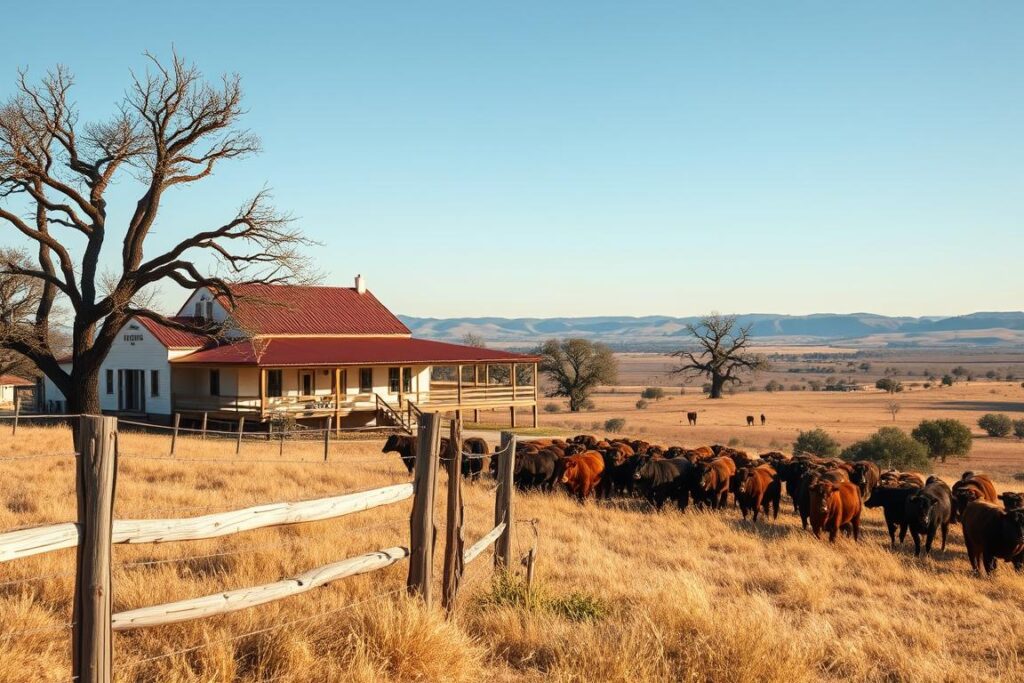
Four Sixes purchase with partners and operations
In March 2022 he led a group that acquired major portions of the Four Sixes legacy. The deal included 142,000 acres in Guthrie, 114,000 acres across Carson and Hutchison counties, and the Frisco Creek Ranch.
The scale and prestige of those holdings matter. The full 266,000‑acre property had been listed near $341 million; a 142,000‑acre parcel was valued at about $192 million.
Leasing ranches for production and asset appreciation
The land functions as a working ranch and a production resource. Reports note weekly leasing fees to Paramount at roughly $50,000, creating direct cash flow from land to camera.
- On-site infrastructure supports horses, stunts, and wrangling for authentic Western shoots.
- Controlling locations reduces production friction and lowers logistics costs for Bosque Ranch Productions.
- Partnership ownership spreads capital risk while keeping creative access and long-term appreciation potential.
Beyond immediate rents, trophy ranch assets often appreciate, adding paper value that can lift a producer’s overall net worth and reinforce the brand of modern Western storytelling.
taylor sheridan net worth: Line-Item Drivers by Career Phase
His earnings stack up by phase, each career stage adding a new revenue layer that compounds over time.

Acting, screenwriting, and television creation
Early acting paid steady but modest fees. Those checks kept him visible and taught on-set craft.
Screenwriting and directing for films like Sicario and Hell or High Water produced a decisive income jump. That work unlocked higher fees and authorship opportunities.
Television creation is now the dominant driver. Multiple series running in parallel generate per-episode pay, showrunner premiums, and producer stakes that outsize earlier earnings.
Royalties, licensing, and long-term deal payouts
- Backend, residuals, and international licensing create long-tail revenue that compounds across years.
- Overall deal guarantees (including reported ~200 million extensions) provide baseline cash while performance adds upside.
- Real estate and ranch operations diversify income and lower production costs for Bosque Ranch Productions.
- Library value and future spinoffs supply optionality; realized cash can differ from headline contract values.
In sum, the mix of film screenwriting, television ownership, backend participation, and land-based assets explains much of the present sheridan net worth.
For context on studio economics and creator deals, see a related profile on studio partnerships.
Personal Life, Family, and the Real-Life Cowboy Identity
His private life is rooted in steady rhythms: mornings on the land, evenings with family, and hands-on ranch work. He married actress and model Nicole Muirbrook in 2013, and they keep a low-profile home base in Texas.

Off camera, he lives the cowboy lifestyle he writes about. Horsemanship, wrangling, and daily operations on the property inform how crews handle stunts and animal safety.
He still appears on-screen in small roles for his own series, which keeps him connected to the actor’s perspective. That history—starting with a part on Veronica Mars—helps him shape fair roles and safer work conditions for performers.
- Roots matter: his Cranfills Gap upbringing shapes story choices and casting instincts.
- Family-first: steady routines and place guide location decisions and collaborators.
- Practical benefits: living near production-friendly land reduces logistics and boosts authenticity.
Across years in entertainment, the blend of family, place, and practical work has made his public brand inseparable from a real cowboy ethos. That mix keeps stories grounded and production teams rooted in the same values he lives at home.
What His Rising Net Worth Signals About Storytelling and the Modern Western
What his rising net value signals is simple: authentic storytelling rooted in place can revive premium television and reshape entertainment economies.
Film credibility—best original screenplay pedigree, nominations, and collaborations with figures like directed denis villeneuve and benicio del toro—bought trust and bigger TV budgets. The crime and thriller DNA from Sicario and Wind River sets pacing and stakes across his series.
Business lessons follow: align IP, production, and locations (including the 6666 ranch) under Bosque Ranch Productions to capture more value. That mix of family, land, star magnetism (starring jeremy renner) and disciplined writing shows the model is repeatable.
For a compact look at his financial arc and how those pieces fit, see this profile on taylor sheridan net worth.
FAQ
What is the current estimated net worth of the filmmaker?
Estimates vary widely, with reputable outlets citing figures from roughly million to headlines near 0 million. Differences come from private deal terms, equity in production companies, and recent multi-year studio agreements that include cash payments and backend participation.
What primary income sources contribute to his fortune?
Major drivers include creator and showrunner fees for hit TV franchises, upfront payments from studio deals, backend profits and royalties, film writing and directing fees, and income tied to ranch and real estate assets used in production and leasing.
How did his upbringing in Cranfills Gap influence his career and earnings?
Growing up on a ranch shaped a distinct storytelling voice rooted in rural life. That background later informed his Westerns and modern frontier dramas, making his work authentic and highly marketable to networks and streamers seeking that tone.
What acting roles helped launch his entertainment career?
Early work included guest and recurring parts on series such as Walker, Texas Ranger, Veronica Mars, and Sons of Anarchy. Those gigs provided industry experience and contacts before he transitioned full-time to writing and directing.
When did he pivot from acting to full-time writing and directing?
Around age 40 he began focusing on writing and directing, a move that coincided with breakthrough films and TV series that dramatically increased his creative control and earnings.
Which films established him as a sought-after screenwriter?
Sicario, written for director Denis Villeneuve and featuring Benicio del Toro, boosted his profile. Hell or High Water earned an Academy Award nomination for Best Original Screenplay, and Wind River solidified his reputation as a writer-director with a distinct voice.
How did television series contribute to his financial rise?
Franchises like Yellowstone and its spinoffs generated high license fees, merchandising, and international sales. Multiple series running concurrently create steady studio payments, producer fees, and backend percentages that add up over time.
What do reports say about his studio deals with Paramount and NBCUniversal?
He signed a major overall agreement with ViacomCBS/Paramount and later negotiated a multistage pact with NBCUniversal reportedly worth large sums. Public figures vary; deals often combine upfront guarantees, development budgets, and profit participation spread over years.
How much does he reportedly earn per episode on his series?
Industry estimates place top-tier creators in the high six-figure to low seven-figure range per episode, plus producer fees and backend points. Exact numbers depend on the show’s budget, distribution, and the creator’s ownership stake.
What is Bosque Ranch Productions and how does it affect earnings?
Bosque Ranch Productions is the creator’s production company that houses development, production, and rights management. Ownership of the company allows capture of more revenue streams, from licensing to international sales and production services.
Does he own or co-own major ranch properties like the Four Sixes (6666) Ranch?
He has been publicly linked to ranch investments and partnerships. Ownership or partnership in large ranches provides both lifestyle value and practical production assets, plus potential appreciation and leasing income.
How are his earnings broken down across career phases?
Early acting provided modest income and industry access. Screenwriting and directing brought higher film fees and awards recognition. The television phase delivers the largest, most sustained revenue via series creation, studio deals, and backend arrangements.
How does family and personal life factor into his public profile?
He maintains a relatively private personal life, but his public image as a family-oriented, ranch-connected creator reinforces the authenticity of his storytelling and helps market projects tied to rural and Western themes.
What does his financial trajectory say about the modern Western and TV storytelling?
His success shows there’s substantial commercial demand for adult, character-driven Western and frontier stories. Networks and streamers now invest heavily in distinctive auteur voices that can launch multi-series franchises and long-tail revenue.
Where can readers find reliable updates about his finances and deals?
Trustworthy sources include industry trades like Variety, The Hollywood Reporter, and Deadline, plus public company filings from studios when deals involve disclosed payments or equity arrangements.
Hey there! I'm Jillian Hunt. I'm all about diving into the financial side of celebrities' lives and sharing those juicy details with you. I love turning complicated money stuff into fun and easy reads. Whether it's checking out how a newbie is making waves or seeing what the big names are doing with their cash, I'm here to give you the scoop in a way that's both interesting and easy to understand.