



Clint Eastwood Net Worth: Actor’s Wealth Revealed
 Jillian Hunt
July 30, 2025 3:24 pm
.
9 min read
Jillian Hunt
July 30, 2025 3:24 pm
.
9 min read
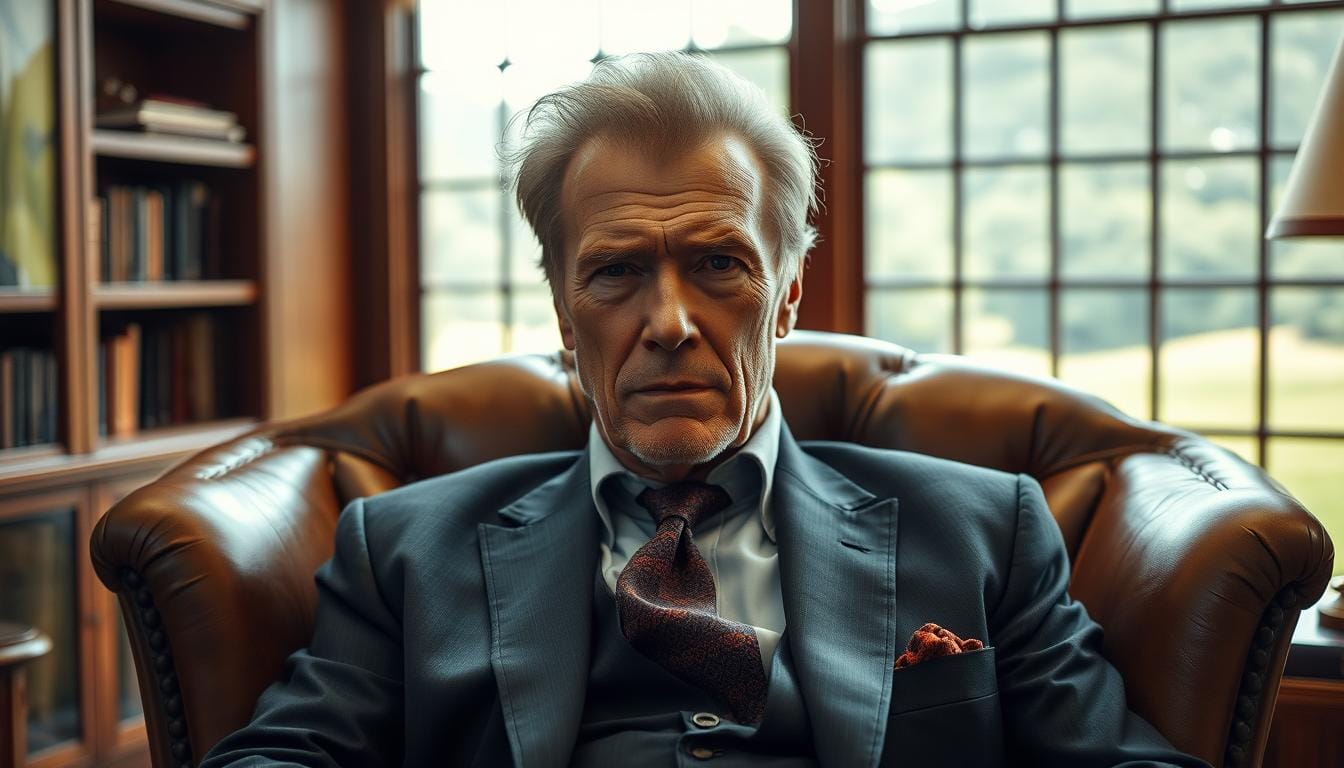
Picture this: a dusty cowboy squints into the sun, his hand hovering near a holstered revolver. For over six decades, that iconic image has symbolized more than just Hollywood grit—it represents a career built on smart choices and relentless drive. The man behind the legend has turned rugged charisma into a legacy spanning acting, directing, and savvy business moves.
With a reported fortune of $375 million, this Hollywood icon’s financial success rivals his on-screen achievements. From spaghetti westerns to Oscar-winning dramas, his work ethic shaped an empire. But how did a former gas station attendant become one of Tinseltown’s most enduring figures?
Beyond box office hits like Dirty Harry and Unforgiven, strategic investments and production ventures fueled his wealth. He didn’t just play tough characters—he negotiated contracts like one, often prioritizing creative control over short-term paychecks. This approach allowed him to build lasting value in an industry known for fleeting fame.
His story isn’t just about dollars. It’s a masterclass in reinvention, proving that talent paired with business acumen can create generational wealth. As we explore the numbers behind his success, remember: every dollar reflects decades of calculated risks and timeless storytelling.
Introducing Clint Eastwood’s Iconic Legacy
The 1950s Hollywood scene wasn’t kind to newcomers, but one determined talent stood out. Before becoming a household name, he balanced odd jobs with bit parts, slowly carving his path through persistence.
Early Life and Breaking Into the Film Industry
His first major break came through the TV series Rawhide, where he played a charismatic cowboy for eight seasons. This role showcased his natural screen presence, though it barely hinted at the legendary status to come. When Italian director Sergio Leone offered him a role in A Fistful of Dollars, skepticism turned into a career-defining gamble.
Rise to Western Stardom and Cultural Impact
The spaghetti western trilogy transformed him into a global symbol of rugged individualism. Characters like the Man With No Name redefined the genre, blending silence with explosive action. Later, the Dirty Harry series cemented his reputation as an actor who could anchor blockbusters while delivering depth.
Behind the camera, his transition to director began with 1971’s Play Misty for Me. This shift revealed a storyteller’s instinct, proving his talents extended far beyond acting. Each project added layers to a legacy built on reinvention and artistic fearlessness.
Exploring net worth clint eastwood Through Diverse Ventures
Hollywood legends aren’t built on acting alone. Strategic moves behind the scenes often separate fleeting stars from enduring icons. One powerhouse career demonstrates how blending creative vision with business savvy creates lasting financial success.

Film Earnings and Directorial Triumphs
The 1971 thriller Play Misty for Me marked a turning point. As both star and first-time director, he proved storytelling chops could translate to box office gold. This low-budget hit paved the way for Oscar-winning projects like Million Dollar Baby, which grossed over $216 million globally.
Later successes like American Sniper ($547 million worldwide) showcased his ability to balance critical acclaim with commercial appeal. Through his production company, he negotiated backend deals that turned hits into recurring revenue streams. Directing awards-magnet films also boosted his industry leverage.
Asset Classes: Real Estate, Stocks, and More
Beyond cameras and scripts, diversified investments solidified his portfolio. Strategic property acquisitions—including a historic Carmel hotel—generated steady income. Stock market plays and venture capital bets complemented entertainment earnings.
This multi-layered approach transformed fleeting paychecks into generational wealth. From directing Best Picture winners to managing assets like a Wall Street pro, every move reinforced an empire built on more than just fame.
Career Milestones Shaping His 375 Million Wealth
Behind every Hollywood fortune lies a trail of game-changing roles and career-defining decisions. For one legendary figure, these moments ranged from gritty police dramas to heartfelt directorial masterpieces—each adding layers to both artistic credibility and financial stability.
Iconic Roles Like Dirty Harry and Gran Torino

The 1971 thriller Dirty Harry became a cultural phenomenon. Its no-nonsense detective character resonated globally, spawning four sequels and cementing its star as a box office titan. Decades later, Gran Torino (2008) showcased a grizzled veteran role that earned $270 million worldwide—proving his enduring appeal.
These characters did more than entertain. They created licensing opportunities and backend profit shares that still generate income. Recurring roles allowed audiences to connect deeply with his evolving on-screen persona.
Award-Winning Directorial Achievements and Best Director Honors
Behind the camera, creative risks paid off spectacularly. Winning Best Director at the Academy Awards twice—for Unforgiven and Million Dollar Baby—solidified his reputation as a visionary storyteller. These honors translated into higher negotiating power for film budgets and profit percentages.
Projects like Mystic River and American Sniper blended critical praise with commercial success. By retaining creative control, he turned passion projects into profitable ventures. This dual mastery of art and business became the cornerstone of his financial empire.
Real Estate Holdings and Investment Strategies
Building wealth requires more than talent—it demands vision beyond the spotlight. Strategic property acquisitions and business partnerships have quietly shaped a portfolio as impressive as any filmography.
Signature Properties in Carmel-by-the-Sea and Bel-Air
The Spanish-style estate in Carmel-by-the-Sea became a cornerstone of his real estate empire. Purchased in the 1980s, this historic property reflects his appreciation for architectural character. In Bel-Air, a sprawling compound offers privacy while doubling as a long-term investment.

Business Ventures with Pebble Beach and Malpaso Productions
Beyond homes, he co-owns the Pebble Beach Company, managing legendary golf courses and luxury resorts. This partnership generates steady revenue while preserving California’s coastal charm. His role as Carmel’s mayor in the 1980s fueled community-focused projects, including infrastructure upgrades.
Also Read:
Malpaso Productions serves dual purposes—creating films and securing intellectual property rights. Recent projects like Cry Macho showcase how creative ventures complement real estate earnings. Together, these efforts form a financial ecosystem supporting his influence in the entertainment industry.
Key strategies driving success:
- Prioritizing properties with historical value
- Balancing commercial ventures with civic leadership
- Leveraging production companies for diversified income
This blend of bricks-and-mortar investments and media projects proves lasting wealth isn’t built overnight—it’s carefully curated.
Financial Journey: From Acting Salaries to Million Dollar Deals
Money talks in Hollywood, but few careers show its language as clearly as this legend’s path from weekly paychecks to nine-figure contracts. His earnings evolved like a well-scripted drama—starting small, building tension, then delivering blockbuster payoffs.
Salary Highlights in Hit Films and TV Series
Early TV gigs laid the foundation. In Rawhide, he earned $119 daily—solid money for 1959. His big-screen leap came with A Fistful of Dollars, netting $75,000 plus a Mercedes. Smart negotiations later turned roles into goldmines.
The Dirty Harry series changed everything. For 1971’s original, he took backend profits instead of upfront cash. That gamble earned millions as the franchise exploded. By 1992’s Unforgiven, his director-star fee hit $15 million plus profit shares.

Insightful Analysis of His Investment Portfolio
Off-screen moves proved equally shrewd. He funneled earnings into diverse assets—from Carmel real estate to tech stocks. His production company, Malpaso, became a wealth engine by retaining film rights and licensing deals.
Key strategies boosted his portfolio:
- Buying undervalued properties with growth potential
- Investing in stable dividend-paying stocks
- Partnering with ventures like Pebble Beach resorts
This mix of creative roles and calculated investments created a financial safety net most actors only dream about. Every dollar earned on camera worked harder behind the scenes.
Impact on Cinema and Continued Influence in the Entertainment Industry
Cinema history remembers few artists who reshape its DNA across multiple roles. One visionary’s fingerprints appear on both sides of the lens, crafting stories that redefine genres and inspire generations.

Innovative Storytelling and Behind-the-Camera Success
His partnership with Sergio Leone in the 1960s redefined westerns. The “Man With No Name” character became iconic. Minimal dialogue and moral complexity set new standards. This collaboration proved silence could scream louder than words.
Behind the camera, he pioneered raw authenticity. Films like Mystic River and Million Dollar Baby prioritized emotional truth over flashy effects. Directors today cite his work as a blueprint for balancing grit with heart.
Key elements of his cinematic legacy:
- Characters shaped by internal conflict rather than clichés
- Collaborations that elevated entire genres (see Sergio Leone’s spaghetti western revolution)
- Creative control strategies now taught in film schools
Modern entertainment landscapes still mirror his innovations. Streaming platforms revive his morally ambiguous antiheroes. Young filmmakers study his behind-the-scenes methods at institutions like career milestones workshops.
Also Read:
From the “Man With No Name” to complex modern protagonists, his stories remain cultural touchstones. They prove great cinema isn’t just watched—it’s felt, debated, and reborn through new voices.
Final Reflections on Clint Eastwood’s Enduring Wealth and Legacy
Few careers in Hollywood history demonstrate the power of reinvention like this legend’s journey. His estimated $375 million fortune, detailed in financial analyses, reflects six decades of bold choices—from iconic roles to visionary directing.
What separates him from fleeting stars? A rare blend of artistic grit and business precision. The actor-director built wealth through backend deals, real estate, and production ventures while earning two Academy Awards for groundbreaking films. Each project added layers to a legacy that reshaped genres.
Beyond box office success, his influence thrives in modern cinema’s DNA. Young filmmakers study his methods, while streaming platforms revive his morally complex characters. This enduring relevance proves true wealth isn’t just measured in dollars—it’s etched into cultural history.
From spaghetti westerns to modern dramas, his career stands as proof that innovation outlasts trends. As outlined in our strategic investments guide, lasting empires require equal parts creativity and calculation. Here, both qualities merged to craft a legacy that continues inspiring audiences worldwide.
FAQ
How did Clint Eastwood begin his career in Hollywood?
He started with small roles in TV series like Rawhide before gaining fame through Sergio Leone’s spaghetti westerns, which launched his path as a leading man.
What are his primary sources of income beyond acting?
Alongside acting, he earns through directing, producing, and savvy investments in real estate, stocks, and his production company, Malpaso Productions.
Which role is considered his most iconic?
The Dirty Harry series solidified his status as a cultural icon, though later works like Gran Torino further showcased his depth as a performer.
What properties contribute to his real estate portfolio?
He owns luxury estates in Carmel-by-the-Sea, a historic ranch in Pebble Beach, and a Bel-Air mansion, reflecting his strategic investment approach.
What was his highest salary for a film role?
While exact figures vary, he reportedly earned millions for directing and starring in hits like Million Dollar Baby, blending creative control with financial rewards.
How has he influenced modern filmmakers?
His minimalist directing style and focus on complex characters, seen in films like Unforgiven, inspire directors seeking authenticity in storytelling.
Hey there! I'm Jillian Hunt. I'm all about diving into the financial side of celebrities' lives and sharing those juicy details with you. I love turning complicated money stuff into fun and easy reads. Whether it's checking out how a newbie is making waves or seeing what the big names are doing with their cash, I'm here to give you the scoop in a way that's both interesting and easy to understand.