



Jay Zee Net Worth: Uncovering the Rapper’s Wealth and Success
 Jillian Hunt
November 7, 2025 11:45 pm
.
11 min read
Jillian Hunt
November 7, 2025 11:45 pm
.
11 min read

Forbes lists him as the world‘s richest musical figure, valuing his holdings at about $2.6 billion in 2025. Other outlets track a similar path, with documented growth from roughly $300 million in 2009 to $2.5 billion by 2025. This introduction explains how a performer became a full-scale business force.
His rise came from more than albums and tours. Major deals—partial sales of D’Ussé to Bacardi, a 50% sale of Armand de Brignac to LVMH, a profitable Rocawear exit, stakes in Tidal and Block, and Roc Nation—moved equity into long-term gains. Real estate, art, and a deep music catalog add tangible value to his net worth.
This short overview previews the key moves that built billionaire status. Readers will see practical definitions of that worth—cash, shares, and assets—and how those pieces compare on rich lists of top musicians and artists among modern celebrities. The full listicle will unpack each deal and the methods behind the math.
Jay Zee net worth today: where his billionaire status stands
Today his financial profile reads less like a performer’s ledger and more like a diversified holding company. Major outlets put his valuation between $2.5 billion and $2.6 billion in the present year, reflecting differences in reporting windows and asset-price assumptions.
Latest valuation: Forbes lists him at $2.6 billion (2025), while other respected lists place him at about $2.5 billion. These figures consolidate cash, equity stakes, and proceeds from major liquidity events.
- Current range: 2.5 billion to $2.6 billion, per top outlets.
- He ranks as the world’s richest musician on several trusted lists.
- Comparative context: Taylor Swift is estimated at $1.6 billion (2024); Rihanna crossed $1.7 billion in 2021.
Rankings shift with market moves, private stake revaluations, and disclosed deals. That’s why a single sale or updated appraisal can change a reported figure in a given year.
For a clear snapshot and deeper profiles of artists on these lists, see the full coverage of celebrity finances at fameworth.com.
Inside the portfolio: brands, companies, and deals powering his wealth
A closer look at his holdings shows how strategic stakes and timely exits created lasting value.
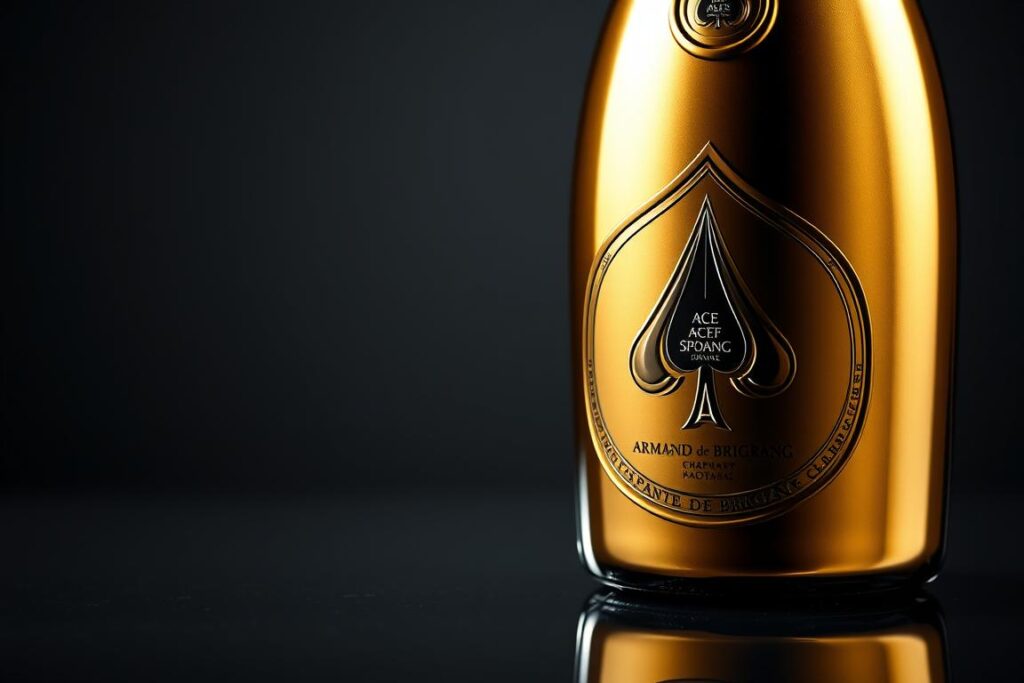
Champagne and cognac plays
Armand de Brignac became a luxury calling card after he sold 50% to LVMH in 2021. His remaining stake is frequently valued in the hundreds of millions thanks to premium margins.
In Feb 2023 he sold 25.1% of D’Ussé to Bacardi for $750M, valuing the cognac at $3B. That deal unlocked cash while leaving a sizable stake with upside.
Agencies, tours, and tech
Roc Nation evolved into a full-service entertainment agency and label, covering music, sports, and media. Long-term pacts with Live Nation — first $150M, later a $200M, 10-year renewal — secured touring revenue and global reach.
Tidal’s path from Aspiro acquisition (~$56M) to sale to Block for ~$300M shows how he scales media assets.
- Rocawear sold for $204M; licensing kept income flowing.
- Marcy Venture Partners backs tech and consumer brands as growth bets.
For a concise profile of these moves and more, see detailed coverage.
From year to year: the milestones behind his net worth 2.5 billion
Tracking annual income alongside major exits explains how steady earnings became massive equity gains.

Career earnings by year: standout years and touring peaks
Between 2007 and 2020 his reported career earnings total about $755M. Notable spikes appear in 2008 ($82M), 2018 ($77M), and 2019 ($80M).
Those touring and touring-cycle years supplied cash that was redeployed into brands, tech, and alcohol ventures. Income funded ownership, while ownership multiplied value later.
Net worth milestones timeline: $300M to billionaire and beyond
A steady climb marked key thresholds: $300M in 2009, $1B by 2020, and roughly $2.5B in 2025. Each milestone reflects both cash flow and private valuations rising after major deals.
Key inflection points: D’Ussé sale, Armand de Brignac, and catalog value
- D’Ussé (2023) — the $750M partial sale propelled the figure to about $2B and unlocked liquid capital.
- Armand de Brignac (2021) — partnering with LVMH added validation and future liquidity options for a luxury brand stake.
- Catalog — estimated at least $200M, it provides durable royalties that cushion asset volatility.
Bottom line: a year-by-year view shows how earnings in particular years funded a portfolio that later soared through equity events. For a focused full timeline of milestone deals and valuations, see the linked profile.
Assets that add up: real estate, art collection, and music catalog
Beyond royalties and licensing, a cluster of estates and collectibles anchors much of his portfolio.
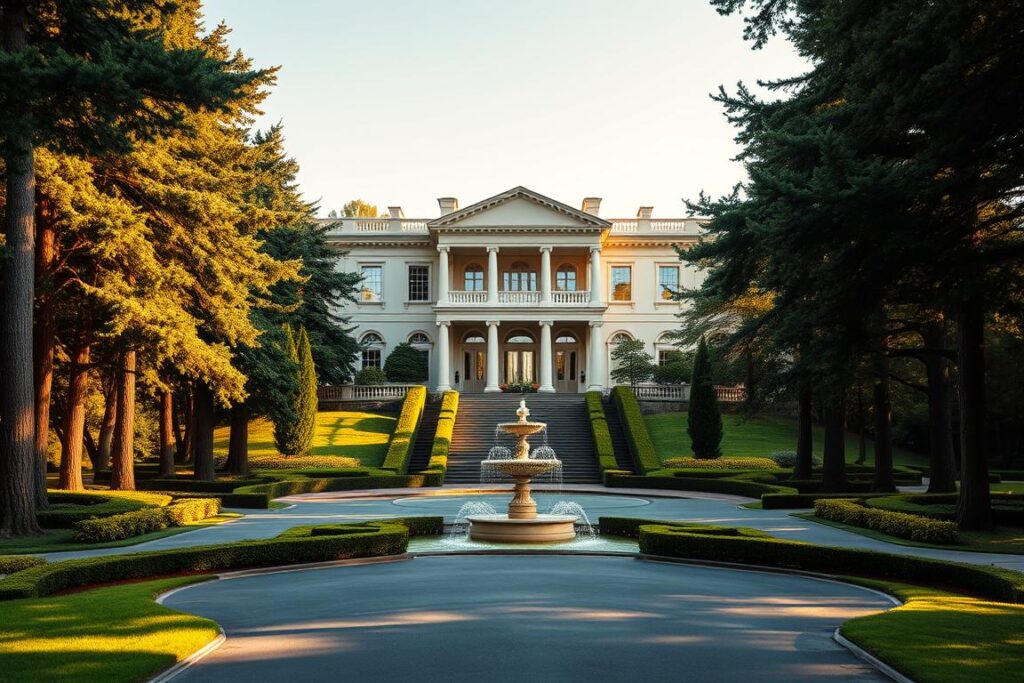
Los Angeles estate and Malibu purchase at $200 million
The Malibu estate bought in May 2023 for 200 million ranks among the priciest U.S. home sales. It signals liquidity and a strategy of holding trophy assets on prime coastlines.
Bel Air, the Hamptons, and global properties in a $300M+ portfolio
The Bel Air compound purchased for $88 million anchors his Los Angeles presence. A Hamptons home bought for $26 million adds bicoastal balance and privacy.
Also Read:
Public records and company filings show at least $350 million in U.S. real estate, with roughly $300 million concentrated in the Los Angeles area. Additional holdings include New York assets and a Bahamas island held through LLCs.
Art collection and luxury assets valued in the hundreds of millions
An art collection estimated near $200 million complements the real estate. These works function as a store of value and cultural capital that often appreciates over time.
Music catalog worth at least $200 million
The music catalog is conservatively valued at about $200 million. It supplies recurring income from streaming, licensing, and sync deals that stabilize cash flow when touring slows.
- The 2023 Malibu purchase at 200 million highlights a trophy-asset approach.
- U.S. property holdings exceed $350 million, with about $300 million in Los Angeles estates.
- Art and catalog assets—each roughly $200 million—balance illiquid luxury with income-generating IP.
Bottom line: this mix of coastal estates, curated art, and a monetized catalog helps explain how physical assets and intellectual property together support a reported net worth 2.5 billion and a reputation as a leading global artist and company builder. For related profiles on high-value estates see estate and celebrity property coverage.
Music, influence, and brands: how the artist became a business
Record by record, he converted cultural influence into an enterprise strategy that powers other deals.
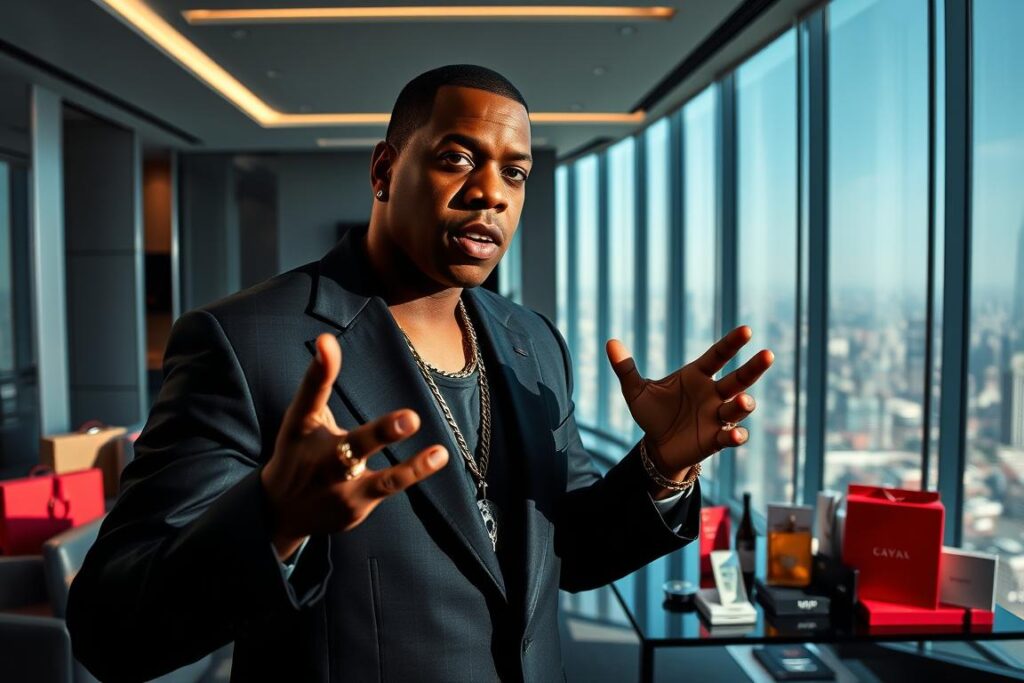
From the debut to later releases, his catalog became a cultural engine. He now has 14 No. 1 albums as a solo artist, a milestone tied with Drake that underlines consistent commercial reach.
From Reasonable Doubt to 4:44: cultural impact that fuels the brand
The span from Reasonable Doubt to 4:44 shows how music can shape ideas and markets. Albums doubled as narratives that increased brand value and creative authority.
Being named greatest rapper by Billboard and Vibe in 2023 added reputation capital that benefits every venture he touches.
Collaborations with top artists and the rise of Roc Nation’s roster
Work with Beyoncé, Kanye West, Linkin Park, and Mariah Carey broadened audience reach and genre crossover.
Roc Nation — founded in 2008 — evolved into an entertainment agency and label that houses artists, managers, and athletes. The agency model captured the revenue streams that used to go to middlemen.
- Catalog as platform: songs that sell and shape culture.
- Collaborations: multiplied reach across fans and markets.
- Agency + label: roc nation turned creative leadership into business scale.
The throughline is clear: ownership and smart partnerships turned artistic success into durable brands and measurable net worth.
For background on his career and enterprises, see the full profile.
What’s next for the world’s richest musician
Future growth will hinge on premium beverage brands, smart touring deals, and targeted investments, centered on assets that already push a reported 2.5 billion to $2.6 billion valuation.
Expect continued value from armand brignac and D’Ussé, where champagne and cognac positioning can compound with strong distribution partners.
The renewed live nation partnership and selective deal live appearances can unlock tour revenue while Roc Nation expands in entertainment, sports, and label services for artists.
Also Read:
With Los Angeles and Malibu estate anchors, he may adjust each stake across the portfolio, back new consumer and fintech plays, and blend music projects with strategic philanthropy to protect long-term net worth and cultural impact.
FAQ
What is Jay Z’s estimated net worth today and does he qualify as a billionaire?
Estimates place his wealth around .5–.6 billion as of the present. That valuation reflects income from music, touring, equity in brands like Armand de Brignac and D’Ussé, his stake in Roc Nation, investments through Marcy Venture Partners, and a valuable music catalog. Combined, these assets place him among the world’s wealthiest musicians.
How did Armand de Brignac and the deal with LVMH affect his financial picture?
Armand de Brignac (Ace of Spades) significantly boosted his beverage portfolio. Partial stake sales and licensing deals with luxury groups such as LVMH increased the brand’s market credibility and raised his equity value, contributing meaningfully to his multi-billion dollar valuation.
What role did D’Ussé and its deal with Bacardi play in his rise in wealth?
D’Ussé cognac, created with Bacardi, reached multi-billion-dollar enterprise valuations. The brand’s strong performance and strategic partnerships added a major income and equity stream, marking a key inflection point in expanding his non-music holdings.
How important is Roc Nation to his overall business empire?
Roc Nation functions as a diversified entertainment agency covering music, sports, and media. It generates recurring revenue from management, publishing, touring, and brand partnerships, and it amplifies his influence while contributing to long-term asset value.
What was the Live Nation arrangement and how much did touring deals contribute?
Long-term touring partnerships and joint ventures with Live Nation have driven hundreds of millions in revenue. Large-scale tours and stadium residencies, supported by Live Nation’s infrastructure, account for some of the biggest single-year earnings in his career, with headline deals sometimes reaching into the low hundreds of millions.
What happened with Tidal and Aspiro, and how did the sale to Block (Square) factor in?
He helped grow Tidal after acquiring Aspiro, positioning the streaming service as artist-first. Strategic sales and partnerships, including Block’s later involvement in the digital payments and music space, created exit opportunities and added value to his tech and media investments.
How did apparel and lifestyle brands like Rocawear contribute to his business success?
Rocawear became a major licensing and apparel success; its sale and subsequent licensing deals provided large lump-sum returns and ongoing royalty streams. That early brand-building experience informed later ventures and investment strategies.
What is Marcy Venture Partners and how does it diversify his holdings?
Marcy Venture Partners is his investment arm that backs startups across tech, consumer goods, and media. These private investments diversify income beyond music and luxury goods, seeding future growth and equity appreciation in high-growth sectors.
Which years were the most lucrative in his career and why?
Peak earning years typically coincide with major album releases, blockbuster tours, and large business transactions. Standout periods include years when major catalog valuations, liquor brand deals, or large touring contracts closed, driving jumps from multimillion to billionaire status across a timeline.
How has his music catalog contributed to his financial value?
The catalog generates steady publishing and licensing income and attracts high valuations from streaming, sync deals, and catalog sales. Industry estimates place major parts of his catalog value in the hundreds of millions, making it a cornerstone asset.
What high-value real estate and luxury assets are part of his portfolio?
The portfolio includes marquee holdings such as a Los Angeles estate and notable coastal properties, with combined residential real estate valued in the hundreds of millions. He also owns high-end vehicles, jewelry, and an art collection that together add materially to his net asset base.
How do collaborations and relationships with artists like Beyoncé and Taylor Swift impact his brand?
High-profile collaborations and strategic alliances amplify brand equity, open new revenue streams, and enhance negotiating power for tours, sponsorships, and joint ventures. These relationships bolster both cultural influence and commercial opportunities.
What key milestones mark his journey from early earnings to billionaire valuation?
Milestones include the success of early albums, the launch and lucrative sale/licensing of Rocawear, founding and expanding Roc Nation, the D’Ussé and Armand de Brignac deals, catalog appreciation, and diversified venture investments—each accelerating asset growth toward the current valuation.
Are there estimates of how much his art collection and luxury assets are worth?
While private valuations vary, credible industry estimates place the combined value of fine art, collectibles, vehicles, and other luxury assets in the hundreds of millions. These holdings complement real estate and business equity in total wealth calculations.
What are the main risks that could affect his billionaire status going forward?
Risk factors include market volatility in luxury goods, changes in streaming and music valuation, legal or tax shifts, and broader economic downturns that affect consumer spending. However, diversified holdings across categories help mitigate concentrated exposure.
What might be next for the world’s richest musician in terms of business moves?
Future moves may emphasize deeper investment in technology, expanded beverage and luxury partnerships, catalog monetization, and continued scale in sports and media via Roc Nation. Strategic acquisitions and global brand extensions remain likely growth levers.
Hey there! I'm Jillian Hunt. I'm all about diving into the financial side of celebrities' lives and sharing those juicy details with you. I love turning complicated money stuff into fun and easy reads. Whether it's checking out how a newbie is making waves or seeing what the big names are doing with their cash, I'm here to give you the scoop in a way that's both interesting and easy to understand.