





Warren Buffett Net Worth: Insights & Analysis
 Jillian Hunt
December 16, 2025 5:01 am
.
19 min read
Jillian Hunt
December 16, 2025 5:01 am
.
19 min read
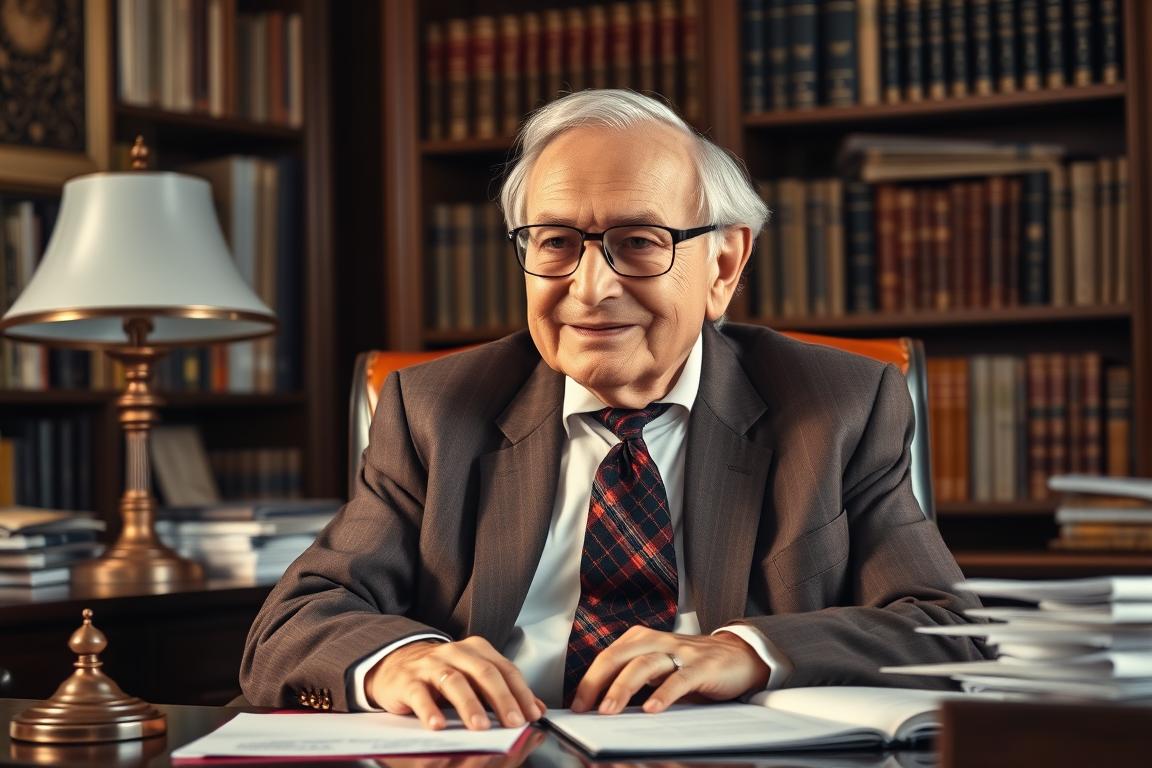
Warren Buffett is a long‑studied investor and the chairman and CEO of Berkshire Hathaway. Born in Omaha in 1930, he built wealth through decades of value investing. Forbes snapshots list his headline figures at $160.2 billion (May 2025), $138 billion (Aug 2025) and $148.6 billion (Oct 2025).
This introduction explains how a headline net figure is made from market prices and company stakes. It shows why most of his personal wealth ties to Berkshire Hathaway stock and why that concentration matters to any investor tracking the number over time.
The piece also notes his modest lifestyle — still living in the same Omaha home bought in 1958 — and his pledge to give away 99% of his fortune. These facts shape how the public reads a single person’s worth and why leadership moves at Berkshire can shift market sentiment in the world of business.
What Is Warren Buffett’s Net Worth Today?
Live snapshots convert share prices and company stakes into a headline number readers see each day. According to Forbes, that live estimate moved from $160.2 billion in May 2025 to $138 billion in August and then to $148.6 billion in October.
The shifts reflect BRK.A price swings and revaluations of major holdings like Apple. Real-time billionaire lists ingest market data and recalculate a person’s stake at each update.
That method is consistent: market capitalization converts to personal stake and then to a single public figure. Small percentage moves in the company stock can change rank among the world’s billionaires quickly.
- Think of any printed estimate as a timestamp, not a final ledger.
- Different trackers may use slightly different cut-off times or inputs.
- Because his personal income is modest, daily fluctuations come from investment value more than salary.
Where His Wealth Comes From
Most of his reported fortune traces back to one asset: a large equity stake in Berkshire Hathaway. That single holding explains why a change in the company’s share price so often drives the public figure for his money.

Berkshire Hathaway equity as the core driver
Per the 2025 proxy, he beneficially owns 206,359 Class A shares. At $692,600 per share on Aug 4, 2025, that stake equaled about $142.9B. This equity dwarfs other assets and shows how decades of business building and investment decisions compound inside one vehicle.
Other income: salary, cash, and personal holdings
Outside of equity, his reported salary is just $100,000 a year, with no bonus or stock awards. Personal income from that salary is negligible compared with the value of the shares.
- He holds modest cash and small personal investments that rarely move the headline number.
- Concentration in one company means the market’s daily vote largely determines public estimates of his wealth.
- The mix of operating companies and a large stock portfolio inside Berkshire is the engine for long-term compounding.
For a quick reference to live rankings and comparative figures, see the net worth list that tracks billionaire estimates worldwide.
Berkshire Hathaway Stake: Size, Value, and Influence
A dominant share position at berkshire hathaway ties daily market moves directly to his personal balance. He beneficially owns 206,359 Class A shares, and at the Aug. 4, 2025 closing price of $692,600 per share that stake equaled roughly $142.9B.
Share count and price matter: every dollar change in BRK.A moves the headline figure by hundreds of millions. Because the block is large, even small percentage swings can shift totals by billions in a session.
Portfolio impact
Berkshire’s equity holdings—large positions in Apple and Coca‑Cola among them—affect company intrinsic value. When those stocks rise, they lift Berkshire’s per‑share value and, in turn, his public net worth through the shares he holds.
Float and capital allocation
Insurance “float” gives Berkshire low‑cost capital to deploy. Smart capital allocation—buying businesses, marketable securities, or repurchasing stock—is the heartbeat of growth and explains how operating cash flows turn into long‑run value.
- The size of the stake means per‑share performance directly maps to his personal financial totals.
- Portfolio appreciation and disciplined underwriting amplify compound returns over time.
- For more on holdings and live rankings see Berkshire stake details.
Warren Buffett Net Worth Over Time
Across years of disciplined investing, a clear pattern of compounding and resilience appears. The public net worth figure tracks milestones, cycles, and the effect of large holdings as he scaled capital over time.

From first investments to millionaire by 30
He bought his first stock at age 11 and set a goal to be a millionaire by 30. Through partnerships and disciplined saving, he reached that target by the target year.
Billionaire status and the compounding decades
He crossed the billionaire threshold in his mid-50s after years of reinvesting gains. Signature positions in companies like Coca‑Cola, and later Apple, amplified compound growth into larger absolute dollars.
Market cycles, drawdowns, and recoveries
The mid-1970s bear market cut his reported wealth, but patient capital and quality holdings produced a strong recovery. Each year of holding quality businesses made future gains easier to achieve.
- First stock at age 11; millionaire by 30 through partnerships.
- Became a billionaire in his 50s after decades of compounding.
- Mid-1970s drawdown proved temperament mattered more than timing.
- Large base meant small percentage gains added big absolute dollars.
- Consistent capital allocation and long time horizons drove long-term worth.
Value Investing Principles That Built His Fortune
Lessons learned at Columbia and on Wall Street shaped a straightforward investing philosophy. He treats shares as parts of a real business, not just ticker symbols, and uses market swings to his advantage.

Buying wonderful businesses at fair prices
He prefers buying wonderful companies at fair prices rather than chasing bargains in weak firms. This idea, credited to Benjamin Graham and refined with Charlie Munger, favors quality that endures across years.
Also Read:
Margin of safety and long holding periods
The margin of safety serves as a buffer against forecasting errors and surprises. Long holding periods let business economics compound, a simple fact behind much of his reported wealth and fortune.
- Focus on durability: study companies as businesses first, and stocks second.
- Avoid complexity: clear models where the way profit is made is obvious.
- Patience wins: discipline cuts costs and trading errors over time.
Signature Deals That Shaped Buffett’s Wealth
Signature purchases across industries turned disciplined analysis into lasting value for his portfolio. Each move reflects a clear focus on simple cash flows and durable businesses.

GEICO, Coca‑Cola, Burlington Northern
Early research on GEICO in 1951 taught him why insurance economics matter. That lesson funded a low‑cost float model inside berkshire hathaway.
In 1988 the purchase of Coca‑Cola stock became one of the most iconic long‑term holdings. It proved how a well‑priced, steady business compounds over years.
Buying Burlington Northern Santa Fe in 2009 for about $34B added hard assets and steady cash flow to the mix. Railroads diversified the empire beyond finance.
Apple’s outsized role
More recently, Apple rose to be the largest holding and lifted overall results. He trimmed positions at certain price points for tax and valuation reasons, but the company stayed central to value creation.
- Discipline: focus on price and business quality.
- Patience: hold through volatility to add real money to intrinsic value.
- Selectivity: a few right investments beat many average ones.
Philanthropy’s Impact: The 99% Giving Pledge
When a major shareholder commits gifts in stock, reported asset sums and personal tallies can diverge. In 2006 he pledged to give away 99% of his fortune and has since donated over $60 billion, mostly via gifts of Berkshire shares.
Bill & Melinda Gates Foundation and family foundations
Major recipients include the Bill & Melinda Gates Foundation and family foundations such as the Susan Thompson Buffett and Thompson Buffett Foundation. These charities receive stock donations that fund long-term programs.
Why pledged gifts can make asset totals exceed a personal figure
Because many shares are legally committed to charities, filings can show asset sums that exceed a single-person tally of worth. Annual gifting slowly reduces his personal stake, which changes how trackers estimate headline numbers.
- Donating appreciated shares often maximizes impact while minimizing taxes at the foundation level.
- The philanthropy-first approach matches his modest lifestyle, including living in the same Omaha home.
- See his Giving Pledge profile for pledge details.
According to Forbes: Rankings Among the World’s Richest
According to Forbes, ranking changes in 2025 showed how market moves shift public positions. In May he ranked 5th with $160.2B; in August the list placed him 9th at $138B; and in October he appeared 10th at $148.6B.
These swings reflect share prices, company reporting, and timing of data used by trackers. Forbes looks through to his large ownership in Berkshire Hathaway when it totals personal assets. That method ties a person’s standing to company performance more than annual income or salary.
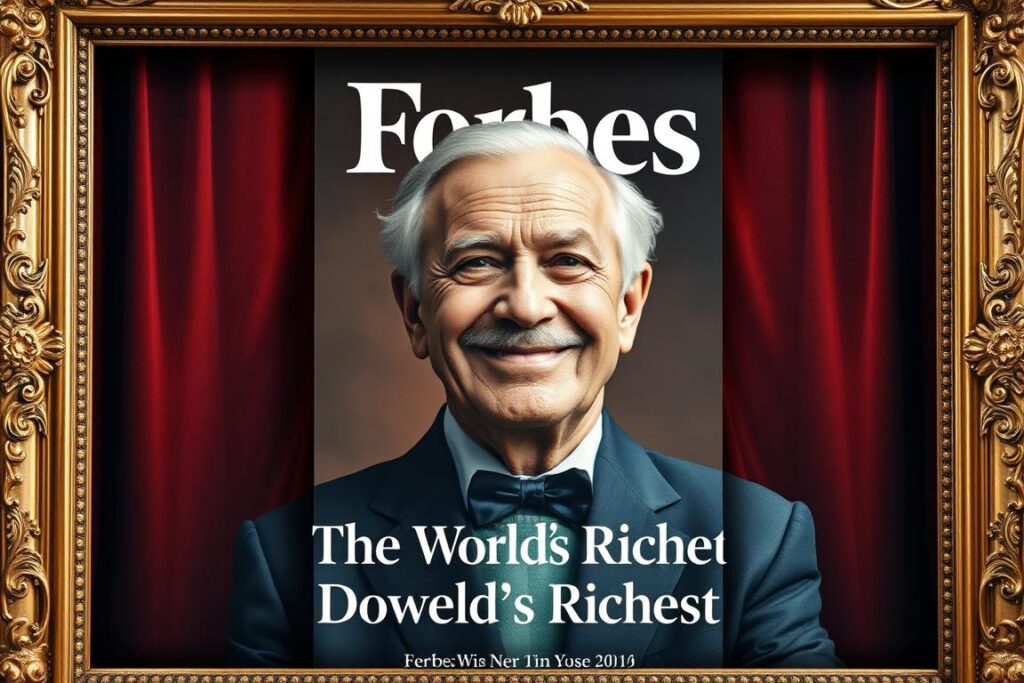
Rankings also account for philanthropy. Gifts to foundations reduce the shares counted toward a personal tally, so active giving shifts reported totals over time.
- Forbes’ lists put him between 5th and 10th in 2025 as markets moved.
- Long‑term investment results drive rank changes more than yearly income.
- The role as CEO Berkshire Hathaway anchors how his fortune is calculated.
Readers should see these snapshots as useful but fluid. A single headline number is a useful guide, not a final ledger for a person in a market that changes by the minute.
Lifestyle and Frugality: The Omaha Home and Modest Salary
He still lives in the same Omaha home he bought in 1958 for $31,500. That long residence underscores a frugal, steady lifestyle that stands out among ultra‑wealthy peers.
Also Read:
His Berkshire base salary has been $100,000 for decades with no bonus or stock awards. That low income choice signals a focus on business results and shareholder alignment rather than personal cash.

Keeping personal expenses low shows that money is treated as a tool for investing and giving, not for excess. His age and many years of consistent habits make this a clear life lesson.
- Long residence in one home highlights practical priorities.
- Modest pay reinforces that company performance, not pay packages, drives incentives.
- Simple habits over years helped build and preserve lasting worth.
Leadership and Succession at Berkshire Hathaway
Long-tenured leadership at Berkshire Hathaway set the tone for disciplined capital allocation and clear communication with shareholders. He has been chairman since 1970 and served as CEO for decades, building a reputation many investors trust.
At the May 3, 2025 meeting, he asked the board to appoint Greg Abel to succeed him as CEO by the end of 2025 while he stays on as chairman. That move creates a planned transition rather than an abrupt change.
Chairman/CEO tenure and the “Oracle of Omaha” legacy
His long tenure shaped a shareholder-first culture, annual letters, and disciplined deal-making. These habits made the firm a model for governance and transparency over many years.
Greg Abel as designated CEO successor
Designating Greg Abel as the next CEO provides clarity at the end of a historic era. It eases uncertainty for managers and supports steady performance across Berkshire Hathaway’s decentralized operating units.
- Continuity: retirement of CEO duties while remaining chairman keeps oversight consistent.
- Stability: clear succession lowers market worry and helps the business stay focused.
- Legacy: the plan signals an intent to build an institution, not a personality-driven company.
For context on long-term leadership and philanthropy, see a profile of Bill Gates.
How Market Moves Shift Buffett’s Net Worth
Because most of his assets sit in one public holding, small moves in its trading price often change the headline figure quickly.

BRK.A share price mechanics
He owns 206,359 BRK.A shares, so each dollar change in per‑share value shifts his reported total by hundreds of millions. The math is simple: the stock price times that share count equals the headline personal figure.
Financial media pull market data at set times. Those snapshots capture a moment in time, not the full story of company performance over years.
Concentration risk and portfolio trims
Concentration amplifies moves. A one percent swing in Berkshire’s price can translate into over a billion dollars of headline movement in a single day.
Portfolio trims—such as reductions in Apple—reflect valuation and tax considerations. They help manage concentration without abandoning the long-term investment thesis.
- The math is straightforward: when BRK.A stock rises or falls, his reported total adjusts in step.
- Because Berkshire is both an operating company and an investment portfolio, several levers can influence market valuation.
- Investors should watch business cash flows and capital allocation, not only daily price ticks or short-term data.
Comparing Buffett’s Wealth by Decade
Each ten-year span shows a different driver of growth: early partnerships, rising business ownership, then scale and large public stakes. Viewing the arc this way makes the long-term pattern easier to understand.
30s to 50s: partnerships to billionaire
In his 30s, partnerships and disciplined reinvestment built an early base. By age 30 he was a millionaire, and disciplined buying over the following years pushed him toward much larger sums.
By his 50s he crossed the billionaire threshold through compound returns and owning whole companies as well as stock positions.
60s to 90s: scale, resilience, and generosity
The 1970s tested conviction and caused temporary declines, but later decades produced major wins like Coca‑Cola and Apple that amplified compounding.
After scale arrived, modest percentage moves in stock translated into huge dollar changes in fortune. Income from subsidiaries and dividends added steady cash alongside portfolio growth.
Generosity grew with capacity: philanthropy in his 70s, 80s, and 90s became a defining part of the legacy and changed how public totals are counted.
- Early decades: partnerships and compound gains.
- Middle decades: resilience through setbacks; big brand wins.
- Later decades: scale, philanthropy, and lasting institutional influence.
Common Myths vs. Facts About Warren Buffett’s Money
Public tales about his money often blur the line between legend and data. This short guide separates common myths from verifiable facts so readers can learn the practical investing lessons behind the headlines.
Salary, diversification, and “forever” holdings
Myth: his wealth comes from a huge paycheck. Fact: his base salary is $100,000 with no bonus or options. Most reported totals come from business ownership and stock held through Berkshire and direct positions.
Myth: he never sells. Fact: “forever” is a guideline for great companies, not a literal rule. He trims or exits when the investment thesis, valuation, or tax reasons demand action.
- Myth: extreme diversification always wins. Fact: concentrated positions in high-quality companies can be rational when risks are understood.
- He favors business quality over clever trading as a way to reduce mistakes and taxes while magnifying long-term results.
- Public data on holdings show periodic adjustments—evidence of flexibility within a long-term investing framework.
The person behind the headlines uses simple, repeatable rules. Focusing on business durability and the price paid helps readers emulate the process, not just copy headlines. Facts over folklore protect investors and point them toward first-principles thinking.
Key Takeaways for Investors From Buffett’s Wealth Journey
Investors can boil his decades-long approach down to a few repeatable habits that matter most. These ideas guide sensible choices about risk, patience, and alignment with great firms.
Patience, discipline, and alignment with great businesses
He co-founded the Giving Pledge in 2010 with Bill & Melinda Gates, showing how wealth can support long-term stewardship. His shareholder letters stress patience and incentives that favor compounding over time.
- Align with great businesses and stay invested for years; time and patience multiply results.
- Keep investment choices simple: favor understandable company economics and owner-like managers.
- Think like an investor, not a trader; temperament often beats clever timing.
- Calibrate risk by price versus intrinsic value; discipline protects capital and compounding.
- Use money to build optionality and resilience, not as a short-term scoreboard.
- Read primary sources—shareholder letters—to see how business reality maps to results.
- Use checklists tied to your circle of competence to avoid speculative stories.
- Philanthropy, as with Bill & Melinda Gates, can anchor a mature plan.
- Your path will differ, but adopt patience, discipline, and quality to improve outcomes.
- In short: repeat sound actions and let compounding do the rest for long-term wealth.
Final note: study process over headlines; the buffett net figure is a byproduct of consistent principles applied across many years.
What Buffett’s Net Worth Signals for the Future
As leadership shifts near, the public number will act as a reading of investor confidence in the company. Markets already showed volatility in 2025, with snapshots ranging from $138B to $160.2B. The planned appointment of Greg Abel as CEO by the end of 2025 frames succession as a managed handoff, not a surprise.
His fortune will stay tied to Berkshire Hathaway execution and capital allocation under new management. Philanthropy — gifts to the Bill & Melinda Gates Foundation and family foundations like the Susan Thompson Buffett and Thompson Buffett Foundation — will keep shaping reported personal totals.
For readers, the practical lesson is simple: look beyond headline figures and judge business fundamentals and steady processes. For context on how U.S. percentile ranks compare, see net worth percentile data — a useful complement to any headline about a single person or billionaire in the world of finance.
FAQ
What is his estimated net worth today according to Forbes?
Forbes provides a real-time estimate that updates with market changes. The figure reflects his large stake in Berkshire Hathaway, plus personal holdings and cash. For the latest number, check Forbes’ billionaire tracker or Berkshire Hathaway’s market value, since share-price swings move the estimate daily.
Why do reported figures vary across dates and sources?
Estimates differ because publications use varying valuation moments, currency conversions, private-asset appraisals, and whether pledged gifts are counted. Public-stock valuations change intraday, so a number from one day can be quite different the next.
Where does most of his fortune come from?
The bulk comes from equity in Berkshire Hathaway. That company owns dozens of businesses and a large public-stock portfolio. Capital gains, dividends from holdings like Apple and Coca-Cola, and reinvested profits at Berkshire also grow the estate over time.
Does he earn a big salary from the company?
No. He has a modest formal salary compared with his wealth. Most wealth accrues through ownership appreciation of Berkshire shares and the company’s retained earnings and investments rather than high executive pay.
How is the size and value of his Berkshire stake calculated?
Analysts multiply his share count by Berkshire’s market price (BRK.A or BRK.B). They also factor in ownership structure, any restricted stock, and the company’s overall market capitalization to estimate his stake value.
How do holdings like Apple and Coca-Cola affect his finances?
Large equity positions in well-performing companies boost the parent firm’s asset value and, in turn, his net total. Outsize positions can also heighten sensitivity to those companies’ share-price moves, making his estimated wealth more volatile.
What is “float” and why does it matter for wealth creation?
Float refers to insurance premiums held before claims are paid. Berkshire’s insurance businesses generate significant float, which management invests into long-term opportunities. That access to low-cost capital has amplified the company’s compounding returns over decades.
How did he grow from early investments to massive wealth?
He began with small partnerships, emphasizing value investing, then consolidated gains by acquiring high-quality businesses through Berkshire. Compound returns, disciplined capital allocation, and decades of reinvestment turned early profits into very large capital sums.
When did he become a billionaire, and how did compounding help?
He reached billionaire status after years of successful investments and business acquisitions. Compounding—reinvesting profits to earn more returns—accelerated wealth growth, especially once the asset base became substantial.
How have market cycles affected his reported fortune?
Market downturns reduce publicly reported totals when share prices fall; recoveries reverse those declines. Because much of the estate is tied to public and private businesses, volatility in markets produces noticeable swings in estimates.
What investing principles contributed to this level of wealth?
Key principles include buying excellent businesses at attractive prices, holding for the long term, insisting on a margin of safety, and allocating capital prudently. Discipline and patience have been central to the approach.
Which signature deals played the largest roles?
Early insurance moves like GEICO, the long-term stake in Coca-Cola, rail acquisition Burlington Northern Santa Fe, and the sizable Apple position stand out. Each provided durable cash flow or major capital appreciation over time.
How has philanthropy affected asset totals?
He pledged to give away the vast majority of his holdings through foundations and gifts, notably to the Gates Foundation and family charities. Pledges can complicate headline totals because commitments may be reported alongside remaining assets, affecting perceived net holdings.
Where does he rank among the world’s richest according to Forbes?
Rankings fluctuate with markets and other billionaires’ fortunes. Forbes ranks him near the top among global wealth holders, but exact position changes year to year depending on share prices and major gifts.
Does his lifestyle reflect his wealth?
He is known for modest living relative to peers—continuing to reside in Omaha and maintaining a relatively low personal salary. Public image emphasizes frugality despite large asset totals.
Who will lead the company after he steps down?
Succession planning is public and names a designated successor for the CEO role. The transition aims to preserve the firm’s capital-allocation philosophy and long-term orientation.
How do BRK.A share moves translate into changes in his reported fortune?
BRK.A trades at a high per-share price, so percentage moves create large absolute shifts in wealth estimates. Because of concentrated ownership, even small price changes can alter headline numbers substantially.
How did his wealth compare across different decades?
Early decades focused on partnerships and building capital, middle decades saw dramatic scaling and billionaire status, and later decades emphasized durability, large-scale investments, and generous philanthropy—each period reflecting different growth dynamics.
What common myths should be corrected about his money?
Misconceptions include assuming a huge salary funds his wealth or that all holdings are diversified equally. In reality, wealth arose mainly from concentrated ownership, disciplined investing, and company performance rather than executive pay.
What practical lessons can investors draw from his journey?
Lessons include the value of patience, studying businesses deeply, prioritizing capital preservation with a margin of safety, and thinking long term when allocating capital.
What does his current asset position signal about the market’s future?
Large investments by a long-term investor can reflect confidence in selected businesses and the power of compounding, but they’re not a market-wide prediction. Individual positions illustrate where capital is concentrated, not a guarantee of future returns.
Hey there! I'm Jillian Hunt. I'm all about diving into the financial side of celebrities' lives and sharing those juicy details with you. I love turning complicated money stuff into fun and easy reads. Whether it's checking out how a newbie is making waves or seeing what the big names are doing with their cash, I'm here to give you the scoop in a way that's both interesting and easy to understand.