



Explore Justin Bieber Net Worth and Financial Success
 Jillian Hunt
June 20, 2025 11:20 am
.
9 min read
Jillian Hunt
June 20, 2025 11:20 am
.
9 min read
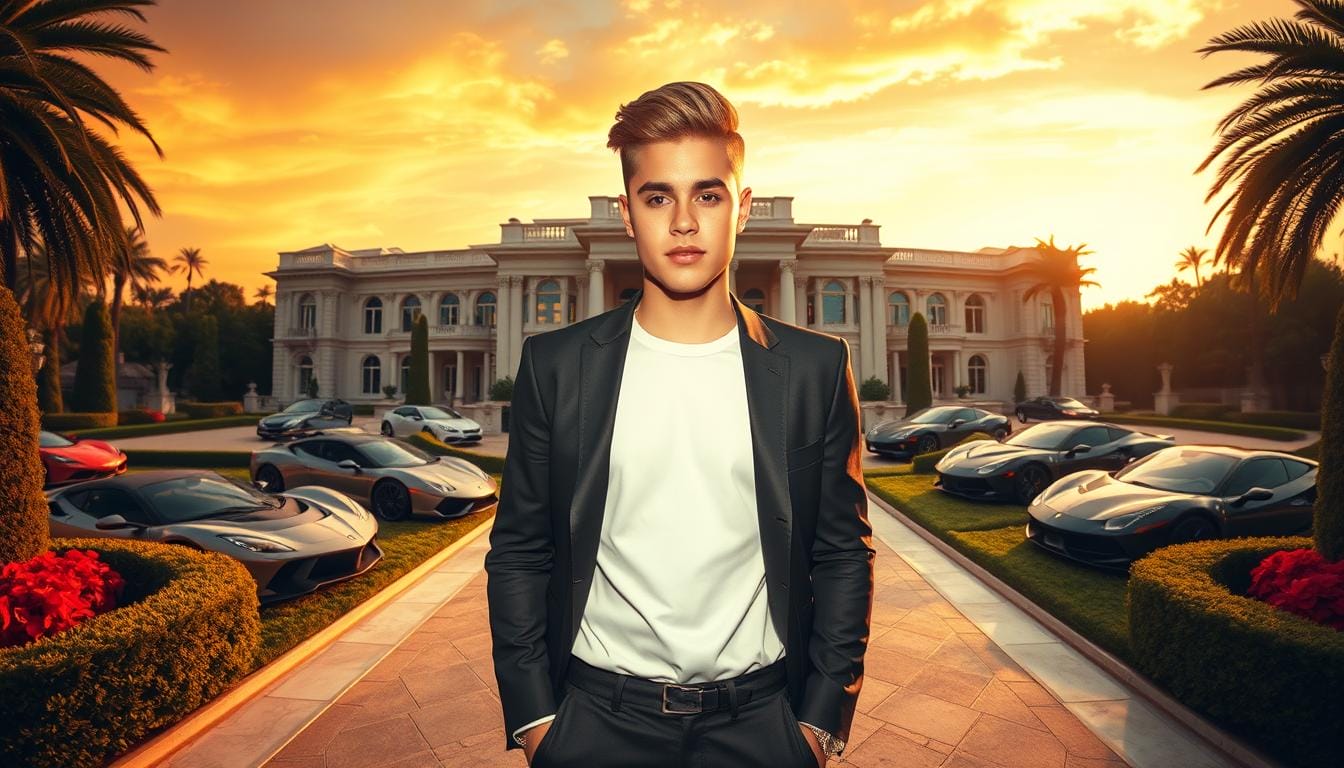
In 2007, a 13-year-old Canadian boy posted homemade covers of R&B songs on YouTube. Those grainy videos caught the attention of talent manager Scooter Braun—and later, superstar Usher. Fast-forward 17 years, and that teen now boasts a reported $300 million fortune.
This journey from bedroom recordings to global fame highlights more than just musical talent. Strategic partnerships, brand deals, and smart investments transformed a viral sensation into a business empire. His catalog sale alone earned over $200 million, proving creativity can become serious wealth.
What makes this story unique? Unlike many child stars, he diversified early. Fragrance lines, fashion collaborations, and real estate ventures now fuel his earnings as much as chart-topping hits. Fans might recognize his music evolution, but the financial blueprint behind it remains equally fascinating.
This article breaks down how relentless hustle and calculated risks built one of music’s most impressive fortunes. We’ll explore royalties, endorsement magic, and why that $300 million figure keeps climbing. Ready to see how talent meets business genius?
Early Beginnings and Rising Fame
Before stadium tours and platinum records, a small-town kid with a guitar became an internet phenomenon. His mother uploaded casual performance clips to YouTube in 2008, hoping to share his talent with relatives. Those videos unexpectedly went viral, racking millions of views in months.
YouTube Discovery and Early Life
Atlanta-based manager Scooter Braun stumbled upon the teen’s channel while searching for unrelated content. Intrigued by the raw vocals, Braun tracked down the family and flew them to meet Usher. Within weeks, the 14-year-old signed with Island Records—a rare feat for an artist without industry connections.
Breakthrough with Scooter Braun and Usher
The 2009 EP My World introduced his signature pop-R&B blend. Its follow-up, My World 2.0, exploded globally in 2010, topping charts in seven countries. Tracks like “Baby” showcased his ability to merge youthful energy with polished production, a formula that captivated teens worldwide.
Concerts sold out instantly, with fans camping overnight for tickets. Media dubbed his fanbase the “Beliebers”—a devoted music group that mirrored earlier teen idol frenzies. By 15, he’d performed on The Today Show and graced Rolling Stone’s cover, cementing his arrival.
This whirlwind start laid the groundwork for longevity. Industry veterans praised his work ethic, while collaborations with established artists added credibility. The world 2.0 era wasn’t just about hits—it marked the birth of a multimedia brand.
Musical Milestones and Record-Breaking Tours
From viral YouTube clips to topping global charts, his journey redefined modern pop stardom. Each album release became an event, blending catchy hooks with evolving artistry.

Debut Albums and Chart-Topping Hits
The 2010 debut My World 2.0 shattered expectations. Lead single “Baby” dominated Billboard for weeks, becoming the platform’s most-viewed video at the time. Fans couldn’t get enough—the album went triple platinum, proving teen pop still ruled airwaves.
Follow-up records like Believe (2012) showed growth. Tracks like “Boyfriend” mixed R&B swagger with radio-friendly beats. By 2015, Purpose marked a seismic shift. Smash hit “Sorry” topped charts in 13 countries, cementing his status as a global pop sensation.
Evolution from Teen Idol to Mature Artist
Gone were the bowl cuts and bubblegum lyrics. His 2020 album Changes introduced introspective themes, while 2021’s Justice tackled love and social issues. Collaborations with artists like Skrillex revealed a willingness to experiment beyond pop formulas.
Touring mirrored this growth. The Purpose World Tour grossed $257 million, breaking attendance records from Tokyo to Toronto. Fans aged alongside his music, packing stadiums to witness acoustic ballads and high-energy dance numbers alike.
This artistic pivot wasn’t just creative—it was strategic. Mature sounds attracted broader audiences, ensuring relevance in an ever-changing industry. Every reinvention brought new hits, proving adaptability is key to longevity.
Business Ventures and Endorsements
Transforming viral fame into a diversified empire requires more than talent—it demands business savvy. While music laid the foundation, strategic partnerships and creative projects turned celebrity into a global brand. Today, his ventures span fashion, fragrances, and collaborations that redefine celebrity entrepreneurship.

Fashion Lines and Celebrity Collaborations
Launched in 2019, the Drew House streetwear label became an instant hit. Its relaxed, inclusive designs—featuring smiley faces and oversized silhouettes—resonated with Gen Z shoppers. Limited drops sold out within hours, proving fans crave more than just music merch.
High-profile partnerships amplified his fashion credibility. The 2015 Calvin Klein campaign broke the internet, blending edgy visuals with mainstream appeal. Later collabs with Adidas and Crocs turned casual footwear into collector’s items, merging comfort with pop culture relevance.
Brand Deals and Fragrance Success
Perfume lines became another lucrative playground. His debut fragrance, Someday, earned $60 million in its first year. Subsequent scents like The Key targeted mature audiences, showing how product evolution mirrors artistic growth.
Endorsement deals with companies like Spotify and Beats By Dre highlighted tech-savvy alliances. Each partnership carefully balances commercial appeal with personal branding—a strategy ensuring every business move feels authentic, not just transactional.
These ventures didn’t just pad his bank account. They transformed him into a multimedia mogul, proving creativity thrives when paired with smart business instincts. From hoodies to headphones, every project reinforces one truth: fame fades, but well-built empires endure.
Net Worth Justin Bieber: Income Streams and Catalog Sale
December 2022 marked a financial milestone when a $200 million deal reshaped the artist’s portfolio. Selling his music catalog to Hipgnosis Songs Capital unlocked decades of royalties in one move. This transaction didn’t just secure immediate funds—it highlighted the lasting value of hit songs in today’s streaming era.
Also Read:

Major Deals and Catalog Transaction
The catalog sale included rights to 290 tracks released before December 2022, from early smashes like “Baby” to later chart-toppers. Industry experts called it a strategic play, trading long-term royalties for upfront capital to fund new ventures. Combined with fragrance profits and endorsement deals, this boosted his financial flexibility significantly.
Touring Earnings and Streaming Revenue
Live performances remain a powerhouse income source. The 2022 Justice Tour grossed over $90 million across 75 shows, averaging $1.2 million nightly. Streaming adds another layer:
- Monthly Spotify royalties exceed $2 million from 80+ million listeners
- YouTube generates $500k+ annually from 50 billion video views
- Apple Music and Pandora contribute another $1.5 million yearly
These income streams—ticket sales, digital plays, and asset sales—create a resilient financial ecosystem. By diversifying early, he turned fleeting fame into an enduring empire built on both creativity and commerce.
Luxury Real Estate and Lifestyle Investments
Beyond concert stages and recording studios, strategic property moves reveal another layer of financial savvy. His portfolio includes multimillion-dollar homes that blend luxury living with smart asset growth.

High-Profile Property Acquisitions
In 2019, he dropped $8.5 million on a sleek Beverly Hills mansion featuring a rooftop deck and panoramic city views. This followed a $4.9 million purchase in Los Angeles’ exclusive Toluca Lake area—a neighborhood favored by Hollywood elites. The crown jewel? A $25 million compound in the same city, complete with a skate park and recording studio.
Not all investments scream Hollywood glam. A serene $5 million lakefront retreat in Ontario offers privacy, showing how his personal life priorities shape buying decisions. These properties aren’t just homes—they’re appreciating assets in prime locations.
Personal Lifestyle and Investment Strategies
Each purchase reflects a balance between indulgence and foresight. The Beverly Hills estates sit in one of America’s hottest real estate markets, ensuring long-term value. Meanwhile, his Los Angeles holdings double as creative hubs, merging work and play seamlessly.
By diversifying across borders and property types, he minimizes risk while curating spaces that inspire. As industry experts note, this approach transforms fleeting income into lasting wealth. From sun-soaked California pads to Canadian hideaways, every deed tells a story of growth—both personal and financial.
Looking Ahead: The Next Chapter in Bieber’s Financial Journey
Navigating health challenges and shifting industry trends, adaptability remains central to sustaining prominence in entertainment. Rumors of new music releases and strategic catalog sales suggest fresh revenue streams could emerge. Industry watchers speculate his upcoming fashion brand SKYLRK might mirror the success of peers like Taylor Swift, blending creative expression with commercial appeal.
Health concerns may influence touring schedules, but digital platforms offer alternative ways to engage fans. Collaborations with tech companies or immersive virtual concerts could redefine live performances—a move already embraced by top artists.
While personal hurdles surface, his status as a cultural icon persists. Recent headlines highlight potential skincare ventures through family partnerships, hinting at diversified income. Like Swift’s masterful brand reinventions, balancing artistry with entrepreneurship will likely fuel long-term growth.
Analysts predict his next decade could focus on legacy-building—curating timeless music while expanding lifestyle empires. As trends evolve, so does the blueprint for lasting success. For more details on financial disclosures, visit our official disclaimer.
FAQ
How did Justin Bieber’s career begin?
His rise started when talent manager Scooter Braun discovered his YouTube covers at age 13. This led to a collaboration with Usher, kickstarting his journey into the music industry.
What role did Scooter Braun play in his success?
Braun became his longtime manager, negotiating early deals like his Island Records contract. Their partnership helped shape his transition from a teen sensation to a global superstar.
Also Read:
Which albums solidified his status in pop music?
Debut albums like My World 2.0 and later releases such as Purpose broke records. Hits like “Baby” and “Sorry” dominated charts, earning him Grammy nominations and massive sales.
How have brand deals impacted his earnings?
Partnerships with Calvin Klein, Adidas, and his fashion line Drew House added millions. Fragrance launches and endorsements further diversified his income beyond music royalties.
What was the significance of his music catalog sale?
In 2023, he sold his publishing rights to Hipgnosis Songs Capital for over 0 million. This deal highlighted the enduring value of his chart-topping discography.
How much does touring contribute to his wealth?
Global tours like the Purpose World Tour grossed nearly 0 million. Live performances remain a major revenue stream, alongside streaming and merchandise sales.
What real estate investments does he own?
He owns luxury properties in Beverly Hills and Ontario. A million mansion in LA and a lakeside Canadian estate reflect his strategic investment choices.
How has he evolved as an artist financially?
From teen idol to a mature entrepreneur, he balances music with ventures like Drew House. Smart investments and catalog sales ensure long-term financial stability beyond his active career.
Celebrity financial insightsCelebrity net worthJustin Bieber financial successJustin Bieber incomeJustin Bieber investmentsJustin Bieber net worthMusic Industry FinancesPop culture wealthYoung millionaire
Hey there! I'm Jillian Hunt. I'm all about diving into the financial side of celebrities' lives and sharing those juicy details with you. I love turning complicated money stuff into fun and easy reads. Whether it's checking out how a newbie is making waves or seeing what the big names are doing with their cash, I'm here to give you the scoop in a way that's both interesting and easy to understand.