



What is Mike Tyson’s Net Worth Today?
 Jillian Hunt
November 7, 2025 8:41 am
.
11 min read
Jillian Hunt
November 7, 2025 8:41 am
.
11 min read
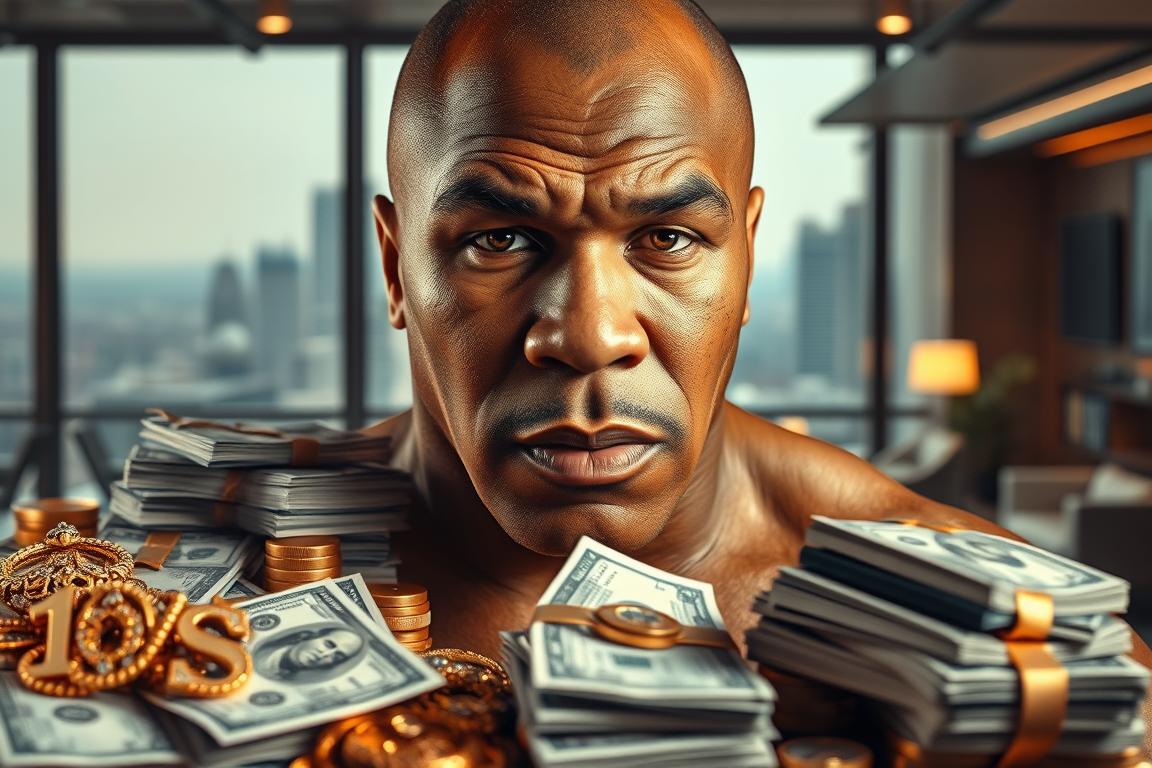
He is currently pegged at about $30 million, a number shaped by late-career deals and renewed public interest. A headline exhibition in November 2024 reportedly brought a roughly $20 million payday, which shifts the present valuation and stirs news conversations.
The modern figure sits in sharp contrast with an all-time peak near $300 million in his prime. That top valuation grew from dominant performances, huge pay-per-view events and global fame in the boxing world.
Spending, promoter cuts and tax troubles led to a 2003 bankruptcy, but recovery came through appearances, film roles, exhibitions and business ventures like a cannabis brand. Today’s snapshot mixes legacy earnings and active income streams.
Readers should treat this as a momentary snapshot — future fights, licensing deals or spending choices can still move the needle. For more on legacy and earnings context, see a related profile on young artists and finances at that analysis.
Today’s Net Worth Snapshot and Why It Matters
Today’s estimate hovers near $30 million, a total shaped by recent exhibitions, media work, and business deals. A headline exhibition in 2024 alone brought a reported $20 million payout, a single event that changed the short-term picture.
That figure contrasts with a 2003 bankruptcy filing that listed about $23 million in debt. Still, steady appearances in Las Vegas (about $75,000 for two hours), streaming events and a cannabis brand supply ongoing earnings.
The snapshot is useful for people tracking how a global boxing icon can convert fame into recurring money decades after peak paydays.
- Quick context: a single year’s big event can swing estimates up or down.
- Revenue mix: exhibitions, licensing, appearances and media roles keep cashflow active.
- Long tail: past liabilities and fees still influence the celebrity net worth picture.
For more background on career context and related profiles, see about his broader profile.
mike tyson net worth: from peak earnings to the numbers today
The route from teenage title holder to a financial high-water mark was built on dominance, huge gates, and massive broadcast deals.
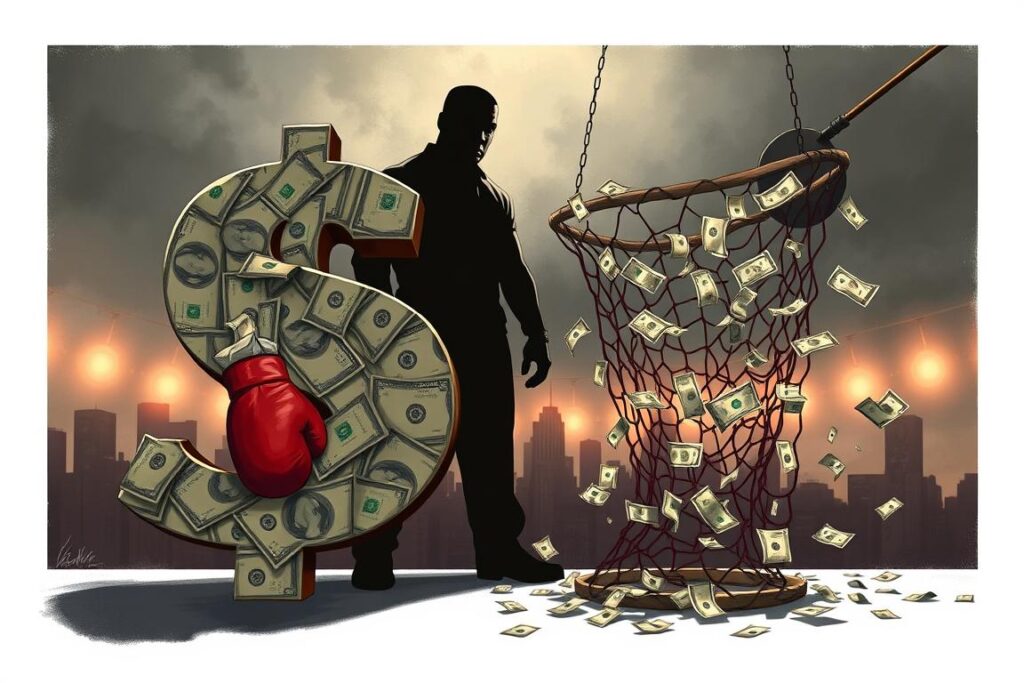
Peak wealth and undisputed era
He reached near $300 million during an undisputed run as the youngest heavyweight champion. That fame turned boxing into a global cash generator and made him a top pay-per-view attraction.
Career purses and endorsements
Across his career, fight purses totaled roughly $443 million. Landmark paydays included nine-figure gates like the Lennox Lewis bout and multi-million nights vs. Evander Holyfield. Big TV deals and endorsements added to headline earnings.
Promoter cuts, fees, and IRS garnishments
Promoter contracts reportedly took about 30% on paper, with claims of extra fees pushing effective cuts higher. The IRS also seized large amounts — for example, $6 million was garnished from an $8 million purse in 2004.
Exhibition paydays
Later exhibitions revived income. The 2020 roy jones event offered substantial guarantees, and a 2024 jake paul exhibition reportedly paid about $20 million, reshaping current estimates for mike tyson net and tyson net.
Spending, Lifestyle, and the Road to Bankruptcy
A pattern of extravagant buys — from exotic animals to multiple estates — quickly eroded earnings. After he left prison, the pace of purchases accelerated. Big headline buys and monthly upkeep created a steady cash outflow.
Mansions, jewelry, and big cats: how millions flowed out fast
He owned multiple homes, including a 21-room Connecticut estate later sold to 50 Cent. Property upkeep and renovations stacked up fast.
Exotic animals became symbols of excess. Bengal tigers cost about $70,000 each and an animal trainer ran about $125,000 per year. Reported after-prison spending included $4.5 million on cars and motorbikes, $400,000 on pigeons and big cats, and six-figure monthly costs for jewelry and clothes.
Entourage overhead and unusual “consulting” costs
Entourage bills ballooned with pricey staff and odd consult fees. He once paid $300,000 a year for a role that was more spectacle than business.
Gifting cars to friends, phone and pager bills, and large walking-around cash sums drained liquidity. These costs rose even when fight income slowed.
2003 bankruptcy: reported $23 million in debt and the aftermath
All these habits, plus promoter cuts and tax liens, led to a 2003 bankruptcy filing listing roughly $23 million in debt. The filing forced asset sales and tighter controls on spending.
The result shows how fast millions can disappear without spending checks. For a related profile on public figures and finances, see that related profile.
- Extreme inflation: exotic pets and multiple homes raised fixed costs.
- Vehicle and gift costs: luxury cars added insurance and depreciation.
- Aftermath: bankruptcy required restructuring and asset sales.
The Comeback Playbook: New Earnings Streams Reviewed
A strategic mix of appearances, curated exhibitions, and a lifestyle business rebuilt his revenue base. This playbook favors timing and selectivity over constant fighting.
Also Read:
Appearances and media
He charges about $75,000 for a two-hour Las Vegas appearance. Film cameos, like The Hangover series, keep the brand in pop culture.
These roles translate into steady checks and fresh audience reach.
Legends Only League and curated matches
The Legends Only League reframed exhibitions as premium nostalgia. The Roy Jones Jr. event became a top-selling PPV in 2020, with payouts reportedly up to $10 million.
Selective exhibition fights, including a 2024 bout with jake paul, showed a single event can reshuffle earnings fast.
Tyson 2.0 and brand business
His Tyson 2.0 company anchors a consumer strategy in cannabis and licensed goods. This founder role turns fame into repeatable sales and wholesale deals.
- Diversified earnings: appearances, media, exhibitions, and product sales work together.
- Timing over volume: one marquee year can materially lift net worth.
- Legacy leverage: as a living legend, he can re-enter selectively without overexposure.
Assets Under the Microscope: Homes, Cars, and Collectibles
A close look at his assets shows a mix of trophy real estate and high-value collectibles that tell a loud financial story.

Real estate highlights
His Connecticut estate—51,000 square feet and 21 rooms—later became a headline project for 50 Cent. That property changed hands and drew media attention.
In 2016 he paid $2.5 million for a 10,400-square-foot home in Henderson, Nevada, now estimated near $5 million. Long-held homes like this add valuation stability across years.
In January 2025 he purchased a 12,000-square-foot waterfront estate in Delray Beach for $13 million. He also bought a 2.2-acre private airpark lot for $1.7 million, tying luxury real estate to lifestyle access.
Car collection and rare collectibles
The vehicle collection once exceeded 100 cars and included rare Bentleys, Lamborghinis and Ferraris. A limited Bentley Continental SC was worth about $500,000, and a 1996 Ferrari F50 later sold at auction for $4.625 million.
Collectibles extended beyond vehicles. He kept Bengal tigers and raised pigeons, which required costly care and staffing.
- Liquidity: some cars appreciated, but gifting and turnover reduced resale gains.
- Brand impact: as a heavyweight champion, lavish assets reinforced the public image.
- Cash timing: big matches and a strong year of exhibitions helped fund headline purchases.
The visible portfolio shifted from maximalist collecting to more curated holdings that better match current income and the mike tyson net narrative.
How Reliable Are the Net Worth Estimates?
Public estimates vary widely because many calculations mix public records with private tips and timing-sensitive payouts. Some outlets list around $30 million, while others show $10–$15 million for worth 2025.

Known data points create anchors: a 2003 bankruptcy listed about $23 million in debt, disclosed fight purses are documented, and recent purchases include a $13 million Delray Beach estate. Big events like the roy jones jones jr. exhibition complicate snapshots because guarantees and post-event payouts move figures quickly.
Also Read:
Methodology matters. Sites that track celebrity net worth use different models. Some count pending receivables and property; others focus on liquid assets after taxes and fees. That explains the gap between published ranges.
- Timing: single events distort short-term estimates.
- Liabilities: bankruptcy-era settlements and garnishments change take-home totals.
- Transparency: private deals and promoter cuts hide true cash flow.
For a deeper comparison of public profiles and calculations, see a related analysis at this profile.
Where Mike Tyson’s Money Story Goes Next
Selective headline fights and clearer business focus will likely define the next chapter. A few well-timed fight spectacles can produce outsized paydays and reset public interest in boxing and his brand.
Beyond the ring, growth in the Tyson 2.0 company, endorsements, and media projects will add steady cash. Recent property buys show active portfolio moves and signal confidence in life after regular competition.
In short: disciplined spending, careful event selection, and smart licensing can sustain his worth 2025 trajectory while preserving the heavyweight champion aura that keeps people and news cycles engaged.
FAQ
What is Mike Tyson’s net worth today?
Estimates vary by source, but his estimated fortune in 2025 reflects earnings from boxing, exhibitions, media, and business ventures. Public trackers list figures that account for both past debts and recent income streams such as branded products and paid appearances.
Why does today’s net worth snapshot matter?
A current snapshot shows how an athlete managed career earnings, legal obligations, and new ventures. It helps fans and analysts see the lasting value of a sporting legacy and the impact of smart deals versus spending patterns.
How did peak earnings reach the multi‑hundred million range?
Peak revenue came from pay‑per‑view megafights and heavyweight title bouts during his prime, plus lucrative endorsement deals. Large purses and global fame pushed total career receipts into the high hundreds of millions before expenses and taxes.
How much did he earn from fights and sponsors overall?
Career in‑ring receipts and sponsorships together are often reported as exceeding 0 million. That total combines guaranteed purses, PPV shares and brand partnerships across decades.
What drains reduced take‑home pay during his career?
Promoter commissions, manager fees, legal costs and substantial tax liabilities consumed sizable portions of gross earnings. Additionally, reported garnishments and settlements further reduced net income over time.
Did exhibition fights add significantly to recent income?
Yes. High‑profile exhibitions — including the 2020 bout with Roy Jones Jr. and later events tied to influencers and promoters — produced large appearance fees that boosted post‑prime revenue. Some recent shows reported multi‑million dollar payouts for headliners.
How did lifestyle spending contribute to financial troubles?
Lavish purchases like multiple residences, luxury cars, expensive jewelry and even exotic animals increased outflows. Combined with a large entourage and high operating costs, such spending accelerated cash depletion.
What led to the 2003 bankruptcy filing?
The 2003 Chapter 11 filing cited significant liabilities—legal judgments, unpaid taxes and creditor claims—against available assets and income at the time. The case highlighted the gap between gross career receipts and net liquidity.
How has he rebuilt income since bankruptcy?
Recovery stemmed from diversified revenue: paid public appearances, film and TV roles, branded products, and exhibition bouts. Strategic deals and licensing helped create steady cash flow in later years.
What role do appearances and media play in earnings now?
Live appearances in Las Vegas and other markets, podcasting, acting cameos and specials generate notable fees. These engagements keep the brand visible and command premium pay for a legendary name.
What is the Legends Only League and how did it affect income?
The Legends Only League creates exhibition events featuring retired stars. Participation has offered additional paydays and media exposure, contributing to the broader monetization of a boxing legacy.
How successful is the cannabis brand and other businesses?
The branded cannabis and lifestyle lines tapped into a growing market and added recurring revenue. While private business performance varies, such ventures diversified income beyond event payday cycles.
What significant real estate and car assets are associated with his story?
Over the years he owned multiple notable properties—from estates in Connecticut and Nevada to recent Florida purchases—and a collection of high‑end cars including Bentleys and other specialty models. Some assets have been sold or transferred to settle obligations.
Can net worth estimates be trusted?
Estimates use public records, reported purses and market valuations but often exclude private contracts and liabilities. They should be treated as educated approximations rather than audited balances.
What factors will shape his financial future?
Continued exhibition events, business growth, licensing deals and media projects will drive future income. Prudent financial management and favorable contracts will determine how much legacy value converts to lasting wealth.
How does his story compare to other boxing legends like Roy Jones Jr.?
Many boxing greats face similar arcs: massive peak paydays, legal or tax setbacks, and eventual reinvention via exhibitions and business ventures. Comparisons highlight common themes in athlete wealth preservation and post‑prime monetization.
Hey there! I'm Jillian Hunt. I'm all about diving into the financial side of celebrities' lives and sharing those juicy details with you. I love turning complicated money stuff into fun and easy reads. Whether it's checking out how a newbie is making waves or seeing what the big names are doing with their cash, I'm here to give you the scoop in a way that's both interesting and easy to understand.