



50 Cent’s Net Worth: How He Built His Empire
 Jillian Hunt
November 13, 2025 1:53 am
.
7 min read
Jillian Hunt
November 13, 2025 1:53 am
.
7 min read
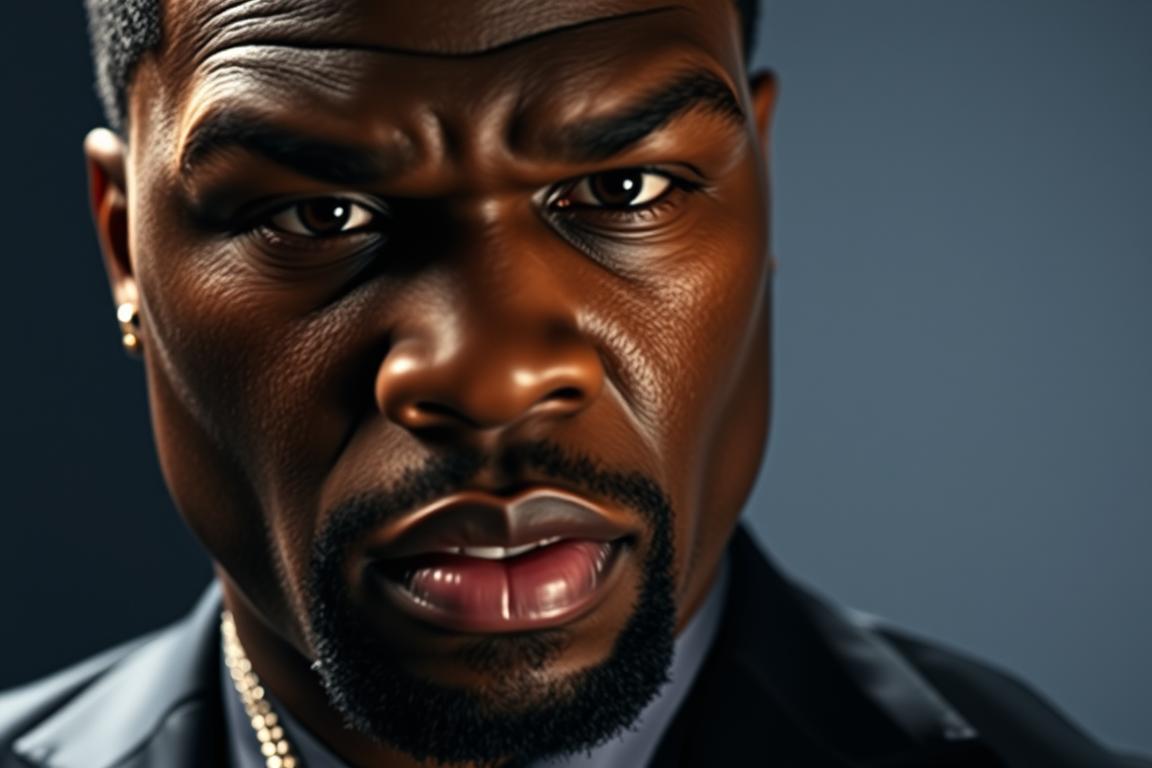
50 Cent is a name that blends music, business and pop culture. This introduction maps how the rapper turned early hits into lasting wealth and an entertainment portfolio.
Readers will see reported headline figures and the deals behind them. Sources list varied totals — some place his value near $60 million, while others show higher estimates. The guide explains why estimates differ and what numbers are solid.
The story covers the Vitaminwater payout, touring profits, TV deals and spirit brands that moved his money beyond records. It also notes strategic moves, including a Chapter 11 filing, that shaped long-term outcomes.
Plain-English explanations will make the financial details clear and useful. The article previews comparisons with top entertainment figures and promises practical takeaways on how brand, equity and deals create lasting capital.
Present-day snapshot: What 50 Cent’s wealth looks like now
The present snapshot mixes concrete payouts and contingent contracts, so totals vary by source and timing.
Estimated range today: Analysts place his net worth between about $60 million and roughly $150 million in 2025. Some trackers count unrealized deal value; others use conservative cash-based estimates.
How sources calculate value
Calculations combine earnings, private assets, catalog value, real estate and liabilities. Recent cash events — like The Final Lap Tour profits and past equity sales — push estimates higher.
Key drivers include tour profit (roughly $35–40 million at a conservative margin), the reported $100 million Vitaminwater payoff pre-tax, and a Starz deal that can add up to $150 million if fully realized.
Quick timeline of money milestones
- Early album success and G-Unit launches major catalog value.
- Vitaminwater exit provided a large capital infusion.
- TV deals and the global tour supplied recent cash and upside.
- 2015 Chapter 11 reset judgments and changed liability profiles.
Bottom line: present-day figures form a band, not a single number. For related profiles and comparisons, see the detailed listing at net worth profiles.
Where the money comes from: music, touring, TV, and big equity wins
Multiple revenue streams fuel his financial profile, from catalog payments to equity exits. Each pillar works differently but adds durable cash and upside. Below are the main sources that shape his current standing.

Recorded music and royalties
Recurring royalties from a catalog led by the hit Get Rich or Die Tryin’ keep cash flowing. Album sales topped 21 million studio units, and G-Unit releases add catalog value.
Royalties and catalog multiples underpin long-term valuation and help stabilize annual receipts for artists and executives alike.
Touring power
The Final Lap Tour grossed roughly $105 million from 1.18 million tickets. Self-financing meant a larger share stayed with his team, boosting his tour net by a conservative margin of 35%.
TV, equity exits and consumer brands
He turned Power into a Starz universe and signed a deal that could reach up to 150 million. The Vitaminwater exit is commonly cited near 100 million pre-tax, a classic celebrity equity play.
Beyond entertainment, G-Unit company moves and Sire Spirits (Branson Cognac, Le Chemin du Roi) expand how he earns money and builds long-term worth. For comparative profiles, see the net worth list.
Assets, liabilities, and strategy: bankruptcy, real estate, and risk management
Luxury real estate and courtroom battles forced a practical reassessment of assets and cash flow.

High-profile property and carrying costs
He bought a Connecticut estate in 2003 for $4.1 million and upgraded it heavily. Monthly maintenance and financing reportedly ran about $72,000, with utilities near $18,000.
That carrying cost became a drain on assets and liquidity. After years on the market, the property sold in April 2019 for $2.9 million, a clear gap from purchase price and original asking.
Bankruptcy as a tactical move
In July 2015 he filed Chapter 11 to manage more than $22 million in judgments, aiming to protect operations and push settlement talks.
Chapter 11 let the company continue projects while restructuring liabilities. Legal counsel emphasized continuity for touring, TV pipelines, and other revenue engines.
- Tangible lesson: high-cost estate ownership can erode reported net and reduce flexibility.
- Practical impact: bankruptcy tools can ring-fence exposure and preserve ongoing company value.
- Strategy: align asset mix, legal planning, and cash management to stabilize long-term worth.
For public people, the case shows how a well-timed legal strategy and focused asset management keep business momentum even under pressure to protect both name and future earnings.
What it means for his standing in the entertainment world
He is a cross-vertical builder — not a billionaire like Jay‑Z or Taylor Swift, but clearly above most working artists. His portfolio spans TV (the Power universe), touring, spirits and a durable music catalog.
Also Read:
The 2015 bankruptcy was a tactical move that preserved company momentum and managed liabilities so projects kept rolling. Real estate trimming and smarter operating choices show a shift toward leaner, equity-focused growth.
This profile matters because future gains hinge on new production deals, catalog monetization and touring demand. For a closer look at his entrepreneurial moves see an entrepreneur profile, and for industry comparisons consult the artist list.
FAQ
What is 50 Cent’s current estimated net worth?
Estimates vary, but his wealth today is commonly placed between about million and 0 million. Analysts consider earnings from music, touring, film and TV, plus business exits and asset sales when arriving at that range.
How do sources calculate his overall wealth?
Experts tally income streams such as album sales, streaming royalties, concert grosses, television deals, and business equity. They subtract liabilities like legal judgments, taxes, and mortgage or upkeep costs to produce an estimated figure.
Which music milestones helped build his fortune?
Breakthrough releases like Get Rich or Die Tryin’ and successful G-Unit projects generated major sales and long-term catalog value. Continued royalties and licensing from hits remain a steady revenue source.
How much did touring contribute recently?
Touring has been a major revenue driver. For example, The Final Lap Tour reportedly grossed around 5 million, with significant net margins after production costs and splits with promoters and supporting acts.
What role did television and film play in his financial growth?
Television produced outsized gains. The Power franchise and related deals for production and licensing provided recurring income and elevated his earning profile in entertainment and media.
Did any business deals produce large windfalls?
Yes. His early investment in Vitaminwater is a notable example: the Coca-Cola acquisition of the brand reportedly resulted in a seven-figure to nine-figure payout, a defining equity win in his portfolio.
What consumer brands and spirits has he launched?
He expanded into beverages and spirits with brands such as Sire Spirits, Branson Cognac, and Le Chemin du Roi Champagne. These efforts diversify income and build brand equity outside music and television.
What major real estate holdings has he owned?
High-profile properties included a Connecticut estate and other luxury homes. These purchases bring prestige but also substantial upkeep costs and tax liabilities that affect liquidity.
Why did he file for bankruptcy in 2015, and how did it affect him?
He filed Chapter 11 amid legal judgments and creditor claims. The filing helped reorganize obligations, protect core business income streams, and allowed him to continue operations while resolving disputes.
How resilient is his business strategy after setbacks?
He has shown resilience by leveraging multiple revenue streams, using equity stakes, and pursuing high-profile media projects. Strategic deals and brand partnerships have helped rebuild and sustain his financial standing.
Where does he rank among other wealthy figures in entertainment?
While not in the billionaire tier, he remains a prominent and wealthy figure in hip-hop and entertainment due to combined earnings from music, touring, television, and entrepreneurial exits.
How transparent are public reports about his finances?
Public estimates rely on reported deals, industry averages, and available filings. Private contracts, undisclosed royalties, and ongoing business ventures mean exact figures vary between outlets.
Can upcoming projects change his financial position significantly?
Yes. New tours, TV or film deals, and lucrative brand partnerships can materially boost income. Successful equity exits or major licensing agreements could also shift estimates upward.
Also Read:
Hey there! I'm Jillian Hunt. I'm all about diving into the financial side of celebrities' lives and sharing those juicy details with you. I love turning complicated money stuff into fun and easy reads. Whether it's checking out how a newbie is making waves or seeing what the big names are doing with their cash, I'm here to give you the scoop in a way that's both interesting and easy to understand.
