



Leonardo DiCaprio Net Worth: How Rich is He Today?
 Jillian Hunt
July 24, 2025 2:58 pm
.
8 min read
Jillian Hunt
July 24, 2025 2:58 pm
.
8 min read
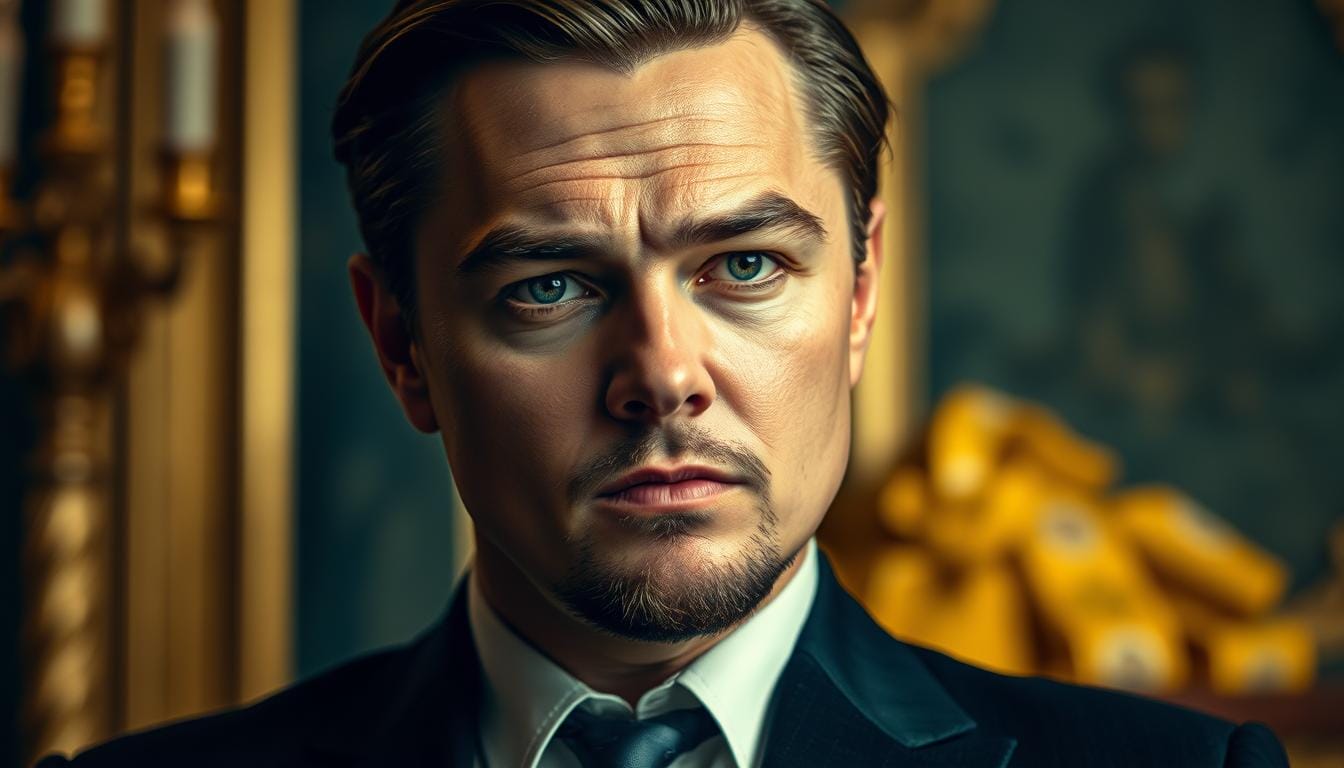
In 1997, a young actor took a gamble. Instead of demanding a massive paycheck for his role in Titanic, he opted for a modest $2.5 million salary—plus a slice of the film’s profits. That decision turned into a $40 million windfall, cementing his status as both a Hollywood star and a shrewd negotiator.
Today, that actor’s financial portfolio is as impressive as his filmography. With an estimated fortune of $300 million, he’s built wealth through blockbuster roles, backend deals, and strategic investments. Over 25 years, earnings from movies alone surpassed $300 million, blending upfront pay with profit-sharing agreements.
But his success isn’t just about acting. Smart moves in real estate, tech startups, and eco-friendly ventures showcase a mindset focused on long-term growth. From Oscar-winning performances to backing sustainable brands, he’s mastered the art of turning fame into lasting value.
This article dives into how talent, timing, and business savvy transformed a rising star into one of Hollywood’s wealthiest icons. Let’s explore the numbers, the milestones, and the strategies behind his journey.
Early Life and Career Beginnings
Long before red carpets and Oscars, a determined teenager hustled through auditions in Los Angeles. His first gigs? Selling toys and gum to camera crews.
Childhood Commercials and Early TV Roles
At 14, DiCaprio landed ads for Matchbox cars and Bubble Yum. These small-screen appearances taught him timing and charisma. Soon after, he scored guest spots on shows like The New Lassie and Growing Pains, building his reel one line at a time.
These early roles weren’t glamorous, but they mattered. Like many child actors balancing early fame, he learned to adapt quickly. Each commercial and sitcom cameo sharpened his instincts.
Breakthrough in Films and Early Recognition
Everything changed with 1993’s This Boy’s Life. Playing a troubled teen opposite Robert De Niro proved he could hold his own. Critics took notice when he transformed into Arnie Grape in What’s Eating Gilbert Grape, earning his first Oscar nod at 19.
These films didn’t just launch his career—they showed Hollywood he was no ordinary child star. With raw talent and grit, he turned modest roles into stepping stones for greater things.
Rise To Stardom and Iconic Roles
The late ’90s marked a seismic shift from rising talent to full-blown cultural icon. Films like Romeo + Juliet revealed a magnetic intensity, while Titanic transformed him into a household name overnight. Though his initial salary for the latter seemed modest, its historic success proved his box-office power.

Breakthrough Performances and Critical Acclaim
His portrayal of Jordan Belfort in The Wolf of Wall Street became legendary. The role blended dark humor with raw ambition, earning Golden Globe recognition and cementing his reputation for fearless choices. Equally impactful was his survival epic in The Revenant, which finally secured the Academy Award Best Actor trophy after years of anticipation.
Diverse projects like The Great Gatsby and Django Unchained showcased his range. Whether playing a lovestruck millionaire or a ruthless plantation owner, he brought layers to every character.
Collaborations with Top Directors
Partnerships with visionaries like Martin Scorsese redefined his craft. Their first collaboration, Gangs of New York, sparked a creative alliance spanning six films. Scorsese’s mentorship helped refine his ability to balance explosive energy with subtle vulnerability.
These collaborations didn’t just produce hits—they reshaped modern cinema. From The Wolf of Wall Street to The Departed, their work became a masterclass in storytelling. It’s no wonder critics often call them one of Hollywood’s greatest director-actor duos.
Deep Dive into net worth leonardo dicaprio
What separates A-list actors from financial powerhouses? For this Oscar winner, it’s a mix of bold contract negotiations and profit-sharing strategies that turned roles into revenue engines.
Salary Milestones and Backend Point Earnings
His career-defining move came with 1997’s Titanic. While the $2.5 million base pay seemed low, a 1.8% cut of global box office earnings ballooned it to $40 million. This backend model became his blueprint—he later secured similar deals for The Departed and Inception.

Early films like The Basketball Diaries laid the groundwork. By 2002, his paycheck for Catch Me If You Can hit $20 million, proving his bankability. Over 25 years, these upfront fees and profit shares combined to generate over $300 million from acting alone.
Record-Breaking Film Revenue Deals
Blockbusters like The Wolf of Wall Street showcased his leverage. Reports suggest he earned $25 million plus 2% of gross revenues—a package worth nearly $50 million. Such agreements didn’t just pad his portfolio; they reshaped how studios compensate top talent.
These earnings form the backbone of his financial empire. As detailed in our guide to understanding celebrity finances, backend points and strategic role choices transformed steady paychecks into generational wealth. The numbers tell the story: calculated risks create lasting rewards.
Endorsements, Investments, and Real Estate Ventures
Behind the silver screen lies a portfolio as dynamic as his film roles. Strategic partnerships and calculated risks have turned global fame into a diversified financial empire spanning luxury brands, food tech, and prime properties.

From Watches to Whiskey: Brand Power Plays
He’s redefined celebrity endorsements through selective collaborations. As the face of Tag Heuer watches, he blended Swiss precision with Hollywood allure. His Jim Beam Japan commercials showcased cultural adaptability, while his role as brand ambassador for a Chinese electric vehicle company aligned with eco-conscious values.
Also Read:
These deals weren’t just paychecks—they reflected personal interests. Like his early stake in Beyond Meat, which capitalized on plant-based food trends before they went mainstream. This $100 million valuation investment proved his knack for spotting market shifts.
Building Castles on Sand (and Islands)
His real estate game rivals his filmography. Starting with a $1.6 million Malibu oceanfront home in 1998, he’s since flipped properties for massive gains. One beachfront sale netted $10.3 million, funding newer acquisitions across Hollywood Hills.
The crown jewel? A 104-acre private island in Belize transformed into Blackadore Caye—an eco-resort marrying luxury with sustainability. This $100 million portfolio isn’t just about square footage. As detailed in our guide to understanding celebrity finances, it’s a masterclass in leveraging assets for both profit and purpose.
Philanthropy and Eco-Friendly Initiatives
While Hollywood roles brought fame, his true passion lies in protecting the planet. In 1998, fresh off Titanic’s historic success, he channeled his influence into creating the Leonardo DiCaprio Foundation. Its mission? To safeguard biodiversity and empower communities through sustainable solutions.

Championing Global Conservation
The foundation has funded over 70 projects across 40 countries, from protecting Indonesian rainforests to restoring shark populations. With $80 million raised, it supports grassroots organizations tackling climate change and habitat loss. Notable efforts include preserving Ecuador’s Yasuní National Park and combating illegal wildlife trade in Africa.
Disaster Relief and Strategic Giving
When crises strike, his team acts swiftly. The foundation donated $1 million to Haiti earthquake relief in 2010 and another $1 million after Hurricane Harvey devastated Texas. These contributions reflect a hands-on approach—prioritizing urgent needs while maintaining long-term environmental goals.
This work isn’t just charity—it’s an extension of his personal ethos. By aligning with causes like ocean conservation and renewable energy, he’s built a legacy that transcends film. As one conservationist noted, “He uses his platform to amplify voices that often go unheard.”
Final Thoughts on Wealth and Lasting Legacy
Three decades in Hollywood reveal more than just red carpets and standing ovations. From teenage TV roles to commanding $20 million per film, this actor crafted a blueprint for lasting success. His $300 million fortune reflects equal parts artistic grit and boardroom savvy.
Landmark performances in Titanic and The Wolf of Wall Street didn’t just earn awards—they rewrote profit-sharing rules. Collaborations with visionaries like Scorsese (Gangs of New York) blended critical acclaim with box-office gold. Behind the scenes, backend deals and luxury home investments turned fleeting fame into generational wealth.
Yet his legacy extends beyond screens and spreadsheets. The environmental foundation bearing his name channels millions into conservation, proving fortunes can fuel purpose. Whether championing sustainable brands or reviving forgotten films, he balances commerce with conscience.
In an era of fleeting stardom, he remains a rare constant—a career built on reinvention, not trends. From Wall Street excess to eco-resorts, every move cements his status as Hollywood’s enduring strategist. The credits may roll, but his influence keeps growing.
FAQ
How did Leonardo DiCaprio start his acting career?
He began with commercials and TV roles as a child, landing his first major film role in This Boy’s Life (1993). His breakout came with What’s Eating Gilbert Grape, earning an Academy Award nomination at 19.
What are some of his highest-paying film roles?
Projects like The Wolf of Wall Street and Django Unchained included backend points, boosting earnings. His salary for Inception reportedly exceeded million with profit-sharing.
Has he worked with any notable directors?
Yes! He’s collaborated repeatedly with Martin Scorsese on films like The Departed and Shutter Island. Other partnerships include Christopher Nolan and Quentin Tarantino.
Does he have brand endorsement deals?
He’s been a brand ambassador for Tag Heuer watches and promoted eco-friendly companies like Beyond Meat. His endorsements align with his environmental advocacy.
Also Read:
What philanthropic work is he known for?
Through the Leonardo DiCaprio Foundation, he’s donated over 0 million to conservation, climate change, and wildlife protection initiatives since 1998.
Does he own any unique real estate?
His portfolio includes a private island in Belize and eco-friendly properties in Los Angeles. He’s also invested in sustainable ventures like vegan food startups.
Acting career earningsCelebrity net worthHollywood actorInvestments and assetsLeo DiCaprio lifestyleLeonardo DiCaprio wealthSustainable livingWealth Management
Hey there! I'm Jillian Hunt. I'm all about diving into the financial side of celebrities' lives and sharing those juicy details with you. I love turning complicated money stuff into fun and easy reads. Whether it's checking out how a newbie is making waves or seeing what the big names are doing with their cash, I'm here to give you the scoop in a way that's both interesting and easy to understand.
